
European cars often carry a higher price in Australia because taxes, shipping distance, compliance requirements, a smaller right hand drive market, and ownership complexity all add cost from showroom to long term servicing. This page explains each driver clearly, compares European cars with other brands for value and reliability, and shows practical ways owners can control total cost of ownership.
Taxes That Lift European Car Prices
Car prices in Australia include several taxes that stack on top of the vehicle’s value. Goods and Services Tax apply to most vehicles. Luxury Car Tax applies to the portion of a vehicle price that exceeds a set threshold, which many European luxury cars cross once options are added. Import duty may apply to passenger vehicles that are sourced from countries without a current free trade agreement. State charges such as stamp duty and registration are added after these federal taxes. The combined effect raises the drive away price compared with the factory figure buyers see in brochures overseas.
The order matters. A base price is assessed for duty where applicable. Goods and Services Tax is calculated on the duty inclusive amount. Luxury Car Tax is then applied to the portion above the threshold, not to the entire price. Once those calculations are complete, state charges are layered on. A European car with premium trim, driver assistance packages and larger wheels can push above the threshold, which means a material part of the final price comes from the tax structure rather than the factory gate price alone. Luxury Car Tax is a significant contributor for many European luxury cars, and locally modified variants to meet Australian standards can further raise the price.
These mechanics explain why the same car can look cheaper in countries like the United Kingdom or the United States. Those markets have different tax settings, different thresholds and different state charges. A buyer comparing overseas sticker prices with Australian drive away pricing is rarely comparing like for like.

Shipping Distance and ADR Compliance Costs
Australia sits a long way from European factories, which means freight costs add up before the car reaches a local showroom. Most vehicles arrive on roll on roll off ships or in shared containers, then incur port fees, quarantine inspection and inland transport. Delays from port congestion and increased biosecurity checks can extend holding times and increase costs for importers. Fuel costs, shipping capacity, insurance and seasonal demand influence freight rates, which can swing total landed cost by hundreds or even thousands of dollars per vehicle on long routes.
Every model sold in Australia must comply with Australian Design Rules. Compliance adds engineering, testing and certification work. In some cases, manufacturers make specific changes for the Australian market, such as lighting, software calibration, towing packages or safety system settings. These changes require development time and parts that are unique to Australian delivered cars. When a model sells in smaller volumes here, the fixed cost of certification and market specific tooling is spread over fewer units, which lifts the cost per vehicle. Luxury vehicle modifications to meet local standards add further cost before a car is retailed.
Compliance does not end at the factory. Dealer pre delivery often includes software updates and country specific checks so that features operate correctly on Australian roads, fuels and climate. These steps protect reliability for local buyers; however, they add time and labour before a car is handed over.
Small Local Market and Premium Mix Raise Sticker Price
Australia is a small right hand drive market compared with larger regions in Europe and the United States. That limits economies of scale for European brands and leads to fewer variants being sold overall. A small market often concentrates sales in premium trims and performance lines that cross Luxury Car Tax thresholds, which lifts the average transaction price. European luxury cars are perceived as prestigious and continue to attract strong demand among Australian buyers, especially in the mid-range luxury segment. Current global supply chain pressures can further tighten availability and sustain higher transaction prices.
Model mixes matter. A brand that sells many entry variants in Europe might sell mostly mid and high variants here. That skews the average transaction price upward in the Australian market. Exchange rates also play a role, since most European vehicles are priced in euros or pounds at the factory. Currency movement can change landed cost even when the factory does not change its list price. Electric vehicles from European brands are in growing demand, but they may still face the same distance, compliance and market size dynamics that affect pricing.
Ownership Costs Why Service and Repair Can Be Higher
European vehicles often use sophisticated engines, transmissions and electronics. Turbocharging, direct injection, particulate filters, complex cooling circuits and networked control modules improve performance and efficiency; however they also raise the level of training, diagnostic access and parts precision required during service. Oil specifications are strict. Filters, sensors and sealing hardware must meet exact standards. Using generic consumables that do not meet specification may save a few dollars in the short term but risks expensive repairs later.
Specialist diagnostics are essential. Many European brands require brand specific scan tools and software subscriptions to access control modules, complete guided fault finding, code parts, and apply software updates. Workshops invest in these tools as well as training so that technicians can find root causes quickly rather than swap parts. That investment is reflected in hourly rates, but accurate diagnosis reduces total spend over time. In practice, European cars generally have higher maintenance and repair costs than many Japanese vehicles and South Korea rivals because complex systems need specialist mechanics and more labour time. Some luxury models also show more frequent repair events as they age, which increases ownership costs without careful maintenance planning.
Parts pricing is another factor. Genuine parts and high-quality approved equivalents protect reliability, yet they can cost more than generic items. Many genuine European parts and high specification equivalents are imported, which adds freight time and cost for Western Australia. Planning routine replacements, holding common stock and ordering proactively reduces wait time and courier fees. Certain luxury brands consistently carry higher parts and service costs because of advanced systems, and older European cars can require more expensive repairs as components age.
Servicing schedules also differ. European service intervals balance oil chemistry, filtration performance and thermal load. Skipping intermediate checks or extending oil changes beyond specification can create sludge, strain timing components and shorten turbo life. Following the schedule that matches your driving profile reduces long term risk and can keep total ownership cost closer to mainstream rivals, particularly while capped price servicing applies on new cars. Resale value can also differ by brand and segment, and many European luxury cars may show lower resale value compared with some Japanese or American counterparts if maintenance is deferred.
European marques are known for sophisticated engineering and performance. At the same time, technology roadmaps vary by region, and certain infotainment or convenience features may arrive at different times across American, Asian and European line ups. Owners should match features and total cost of ownership rather than headline technology claims alone.
Worked Example How a New Car Price Builds in Australia
Below is a simplified, illustrative stack that shows how a price can climb from a notional factory value to drive away in Australia. Figures are round numbers and for example only.
- Start With Factory Price at Source
- Add Freight and Insurance to Australia
- Add Import Duty Where Applicable
- Calculate Goods and Services Tax on the Duty Inclusive Amount
- Add Luxury Car Tax to the Portion Above the Threshold If Triggered
- Add Compliance, Pre Delivery and Dealer Delivery
- Add State Stamp Duty, Registration and CTP Insurance
This sequence explains why a buyer may see a significant jump between an overseas headline price and the figure quoted in an Australian dealership. The difference is not simply dealer margin. It is the structure of taxes, distance and compliance layered on a premium product that often ships in lower volumes. Holding costs at ports, quarantine checks and local compliance steps can also add to total cost before the car is retailed.
After reviewing this example, owners can make smarter decisions about specification, delivery timing and warranty options. If you want support managing lifetime costs, see European Car Servicing in Perth for a detailed overview of service programs and diagnostics.
Used Cars Versus New Cars What Changes for Buyers
New cars benefit from capped price servicing and factory warranty, which reduce volatility in the first years of ownership. These programs define labour times, parts baskets and oil specifications so buyers can plan cash flow. Once capped price windows close, European cars require more active management. Service items like brake fluid, transmission fluid and coolant follow brand schedules that may differ from Japanese vehicles and South Korea rivals. Sticking to these schedules helps avoid expensive repairs that can otherwise occur when fluids are overlooked.
Used cars vary widely. A vehicle with a complete logbook, correct oil specifications, documented software updates and genuine parts history will cost less to own than the same car with gaps. Buyers should check whether recall campaigns and software updates have been completed and whether optional extended warranties cover the vehicle’s key systems. Insurance may also differ by brand and model, especially for high value trims, performance variants and convertibles. Resale value depends on condition and records, and some European luxury cars can depreciate faster than comparable Japanese or American models if maintenance history is weak.
Brand Examples Mercedes Benz BMW Audi Porsche Land Rover
Mercedes Benz
Modern engines and transmissions use advanced lubricants and filters. Correct specification oils protect timing components and turbochargers. Electrical architecture requires scan access for coding and service resets. Scheduled transmission servicing and brake fluid intervals keep drivability consistent and protect mechatronics. Demand for core models remains strong in Australia, which supports pricing in higher trim lines.
BMW
Tight cooling packages and direct injection mean correct coolant chemistry and high-quality filters are important. Software updates can improve idle quality, charging strategy and module communication. Suspension components often use lightweight alloys that demand precise torque values to avoid premature wear. Parts pricing reflects imported, brand specific components that protect reliability.
Audi
Quattro systems add differentials and Haldex or similar coupling hardware that require correct fluids at set intervals. Direct injection systems benefit from quality fuel and periodic intake cleaning where required by driving conditions. Lighting and infotainment updates improve reliability when applied with the correct tools. Popular SUVs and performance lines maintain high demand in the local market.
Porsche
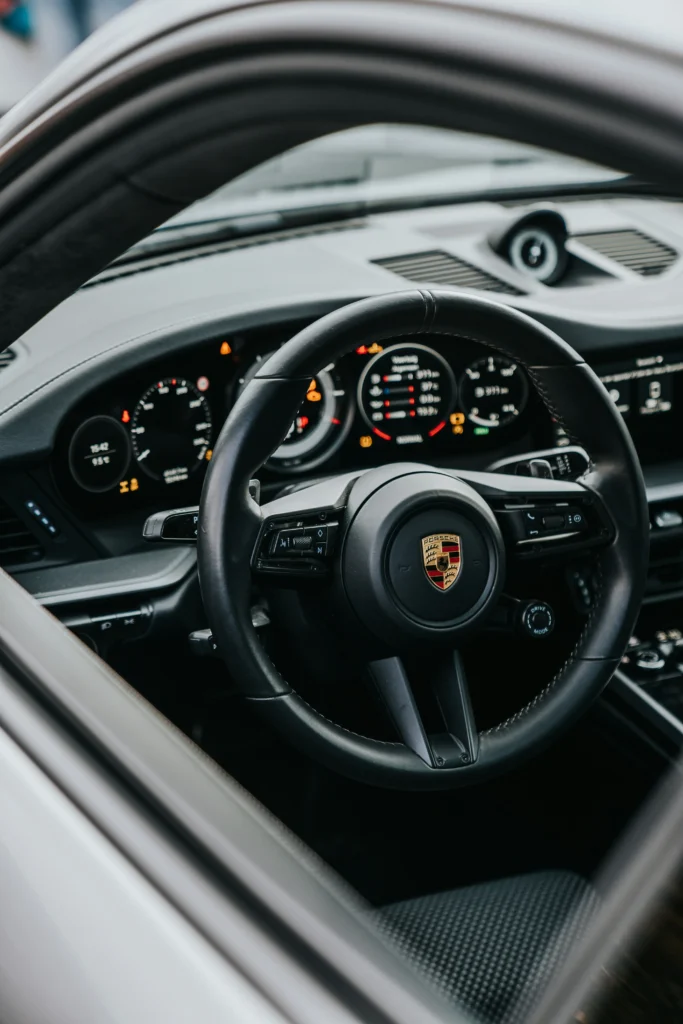
High performance engines operate at greater thermal load. Oil quality, filter performance and change intervals are critical. Brake component quality and torque values protect caliper sealing and prevent noise. Specialist diagnostic tools ensure control modules remain synchronised after maintenance. Strong brand prestige supports pricing, and genuine parts are often imported to Australian spec.
Land Rover
Off road systems and air suspension add complexity. Regular checks of compressor filters, valve blocks and height sensors reduce larger repair bills. Diesel particulate filter health depends on correct oil grade and trip patterns. Water ingress checks protect connectors and modules. Parts availability and specialist labour influence running costs more than in many mainstream brands.
These examples show that the higher cost perception for European brands often comes from the precision required to maintain complex systems correctly. A workshop that invests in the right tools and training will often save an owner money by finding causes quickly and fitting parts once.

How To Control Lifetime Costs Without Cutting Corners
Follow the factory schedule that matches your use, not a generic checklist. Urban stop start driving, towing and short trips increase thermal cycles and contamination, which shortens service intervals. Use genuine parts or approved equivalents that meet specification. A lower price part that misses the spec can cause knock on costs in sensors, timing and emissions systems.
Insist on accurate diagnostics before parts are ordered. A systematic test plan with brand specific tools prevents parts swapping. Apply software updates during service so control modules operate on current calibrations. Plan parts ahead of major services so items arrive before the booking. Keep tyres, alignment and brake components within spec so that stability control, radar and camera systems do not work harder than designed.
Choose a workshop that can access technical bulletins, wiring diagrams and programming functions for the European models you own. Ask for clear estimates, labour times and parts sources. Transparency builds trust and keeps surprises out of the equation. Owners who treat servicing as planned maintenance rather than emergency repair spend less over the life of the car.
FAQs
Luxury Car Tax applies only to the portion of a vehicle price that exceeds the current threshold. Goods and Services Tax applies broadly to most vehicles. Many European luxury cars cross the threshold once options are added, while some entry variants do not. Always check the current thresholds and how options affect the final figure.
Overseas prices often exclude local taxes, dealer delivery and on road costs. Markets like the United Kingdom or the United States have different tax structures, shipping distance and market size. Currency movement and model mix also differ. An Australian drive away price includes freight, compliance, taxes and state charges that are not visible in overseas headline prices.
European cars often have higher maintenance and repair costs because complex systems need specialist mechanics, imported parts and longer labour times. That does not mean every model is expensive. New cars under capped price servicing can be similar to mainstream rivals during the warranty period, and well-maintained used cars can be affordable to keep if schedules and specifications are followed.
Yes. Specialist workshops invest in brand specific diagnostic tools, technical information and training. Accurate diagnosis avoids parts swapping, and correct coding prevents repeat visits. The hourly rate can be higher, but total spend often falls because faults are resolved efficiently.
Electric vehicles remove many fluid and exhaust related items, however they introduce high voltage systems, battery thermal management and software that require specific skills. Owners still benefit from correct diagnostics, software updates and genuine parts for sensors, brakes and suspension. Demand for electric vehicles is growing in Australia, which can affect model availability and pricing.
Conclusion – Control Costs and Keeping Your European Car Performing
European cars are priced higher in Australia because taxes, distance, compliance and market scale add cost before delivery, and precision maintenance protects complex systems during ownership. The market also reflects strong demand for luxury brands and the higher cost of imported parts and specialist labour. When you understand how the price is built and how to maintain the vehicle correctly, you can enjoy the engineering that drew you to European brands while keeping total cost under control. Ready to make ownership easier? Contact Eurotech Autohaus today.
SERVICE QUOTE
24 Radius Loop, Bayswater WA 6053
Monday – Friday: 8am – 5pm
Saturday: 9am – 1pm
(Appointments Only)
Our Services
Brake Servicing
- Brake Inspection & Diagnosis
- Disc Brake Service
- Drum Brake Service
- Master Cylinder
- ABS Diagnosis
- Brake Fluid Flush
Car Electrical Services
- All lighting and modifications
- Control module diagnosis
- Alternators, Batteries
- Starters
- Air Bag System Diagnosis and repair
- Accessories and upgrades
- Windshield Wipers & Washers
Collision Advice
- Insurance Claims
- Vehicle Restoration
- Body Kits
- Glass Replacement
- Custom Graphics
- Interior & Exterior Trim
- All Makes and Models
Comfort System
- Air Conditioning Service
- System Diagnosis
- Heater Core
- A/C Compressors
- Blower Motors
- Climate Control System
Cooling System
- Leak Diagnosis
- Overheating Diagnosis
- Water Pumps
- Radiators
- Cooling Fans
- Coolant Hoses
- Thermostats
Engine Performance
- High Performance Upgrades
- Drivability Diagnosis
- Fuel Injection Service
- Computer System Diagnosis
- Maintenance Tune-Up
- Emission Diagnosis & Repair
- “Check Engine” Light Diagnosis
Engine Servicing
- Oil Leak Diagnosis
- Timing Belts
- Performance manifolds and accessories
- Head Gaskets
- Engine Replacement
- Engine Service
- Exhaust System Replacement & Repair
- Performance Upgrades
Maintenance Services
- Factory protected log book servicing
- Full 100 safety point inspections
- Transmission Service
- Cooling System Flush
- Tyre Rotation & Balance
Pop and Crackle Tunes (Burble Tunes)
- Stage 1 Tuning
- Stage 2 Tuning
- Stage 3 Tuning
- Fuel Efficiency Tuning
- Engine Remapping
Steering & Suspension Servicing
- Two & Four Wheel Alignments
- Struts & Shocks upgrades or replace
- Rack & Pinion diagnosis and repair
- High Performance Suspension
- Upgrades & Adjustments
- Tyre Replacement
- Transmission diagnosis & Repair
- Differential Replacement
- Complete Drive Train Repair