Electric cars skip engine items like oil changes and spark plugs, but they still need tyre care, brake fluid checks, coolant inspections, software updates and high-voltage safety checks. Most models suit a routine inspection every 10,000 to 15,000 km or 12 months in Australia, though some brands use condition-based servicing or longer intervals of up to two years. EV drivetrains have significantly fewer moving parts than petrol or diesel cars, so servicing is generally less frequent and cheaper over the life of the vehicle.
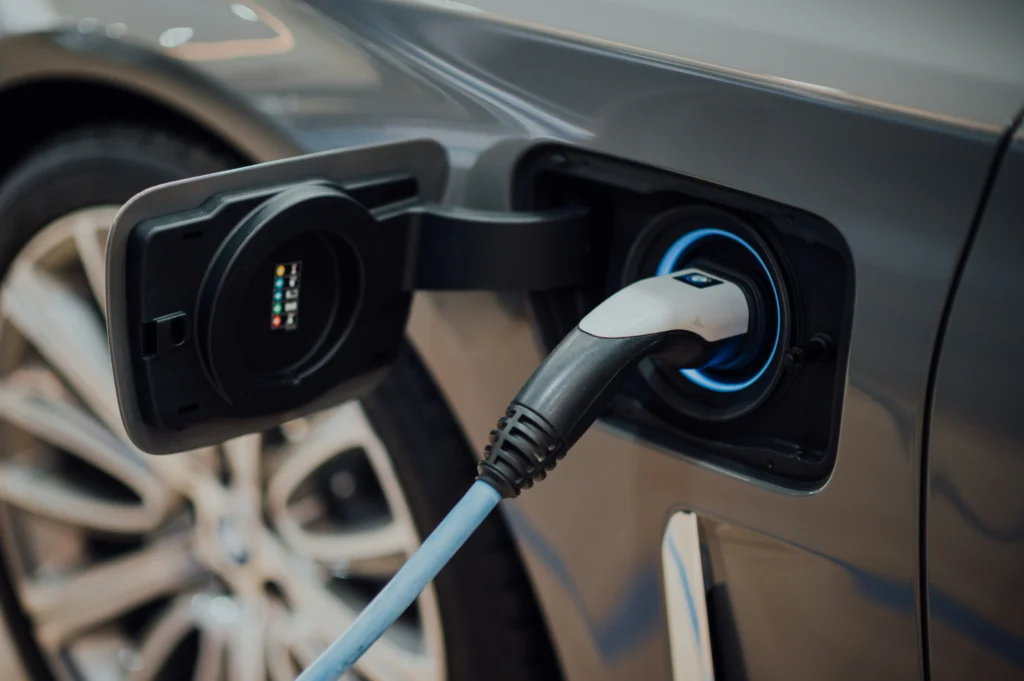
EV Maintenance Schedule in Australia
Service timing depends on kilometres driven, time since last check and the maker’s guidance. Most EVs suit a routine inspection every 10,000 to 15,000 km or 12 months, while some brands use condition-based servicing that alerts you via the dash or app. Always follow the schedule in your service book or app, and bring the vehicle in sooner if warning lights appear, range drops suddenly or tyres show uneven wear.
Every 10,000–15,000 Km Or 12 Months
Book a routine inspection yearly or by distance, whichever comes first, to understand what maintenance does electric car need. Typical items: tyre rotation and pressures, brake pad and rotor condition, brake fluid test, steering and suspension checks, electric motor inspection wiper blades, cabin air filter and a diagnostic system check for software updates and warning lights. Many EVs also include a quick 12-volt battery test.
24–36 Months Checks
Add time-based fluid replacement and deeper systems tests, including battery health checks. A brake fluid flush every two years helps prevent corrosion and restores boiling point. Technicians inspect coolant level and strength in the battery and power-electronics loop, check for leaks, review high-voltage cabling and seals, and recalibrate sensors as required.
Model-Specific Notes
Follow the manufacturer’s schedule in the service book or app for regular maintenance. Some EVs use condition-based servicing that alerts drivers when maintenance is due. Others set fixed intervals, sometimes up to two years. Performance variants may specify gearbox or drive-unit fluid checks. Most manufacturers recommend more frequent tyre rotations due to weight and instant torque.
Key Systems to Maintain
Tyres and Alignment
Expect faster wear than a comparable petrol car due to vehicle mass and torque. Rotate tyres every 8,000 to 12,000 km, keep pressures at the placard value and align if you see shoulder wear or pull. Choose EV-rated tyres with the right load index and low rolling resistance to protect range and grip, thus contributing to the overall cost efficiency of the vehicle. Check pressures cold before long trips or heavy loads.
Brakes and Brake Fluid
Regenerative braking reduces pad wear, but the hydraulic system still needs attention. Inspect physical brakes, including brake pads, rotors and the electronic parking brake at each visit. Test brake fluid quality and replace about every two years. Heavier kerb weights make healthy braking systems critical, especially for motorway and regional driving.
Battery and High-Voltage Inspections
Leave high voltage checks to qualified technicians. Workshops read state-of-health, review error logs, apply software updates and inspect orange-coded cabling and connectors. Battery management systems constantly monitor the battery pack’s state to optimise performance. For daily use, keeping charge between about 20% and 80% reduces stress; extreme heat or cold can shorten battery life. With sensible care, many EV batteries last around 10 to 15 years.
Cooling and Thermal Management
EVs use liquid cooling for the battery and power electronics. Technicians check coolant level and strength, look for leaks and verify pump operation and sensor accuracy via diagnostics. Unless your maker specifies a change interval, treat coolant as a workshop-managed fluid, not a DIY flush. Repeated thermal warnings or sudden power limits need prompt inspection.
Steering and Suspension
Check for normal wear, as with any car. EV weight can stress bushings, ball joints and shock absorbers. If you hear clunks over speed humps, feel vibration at motorway speeds or see uneven tyre wear, get the suspension and wheel balance checked. After pothole or kerb strikes, book an alignment.
Cabin Filter And Wipers
Replace the cabin air filter on schedule for clean airflow and demist performance. In dusty regions or during bushfire season you may need earlier changes. Inspect wiper blades at every service and replace if they smear or chatter.
What EVs Don’t Need Compared to Petrol Cars
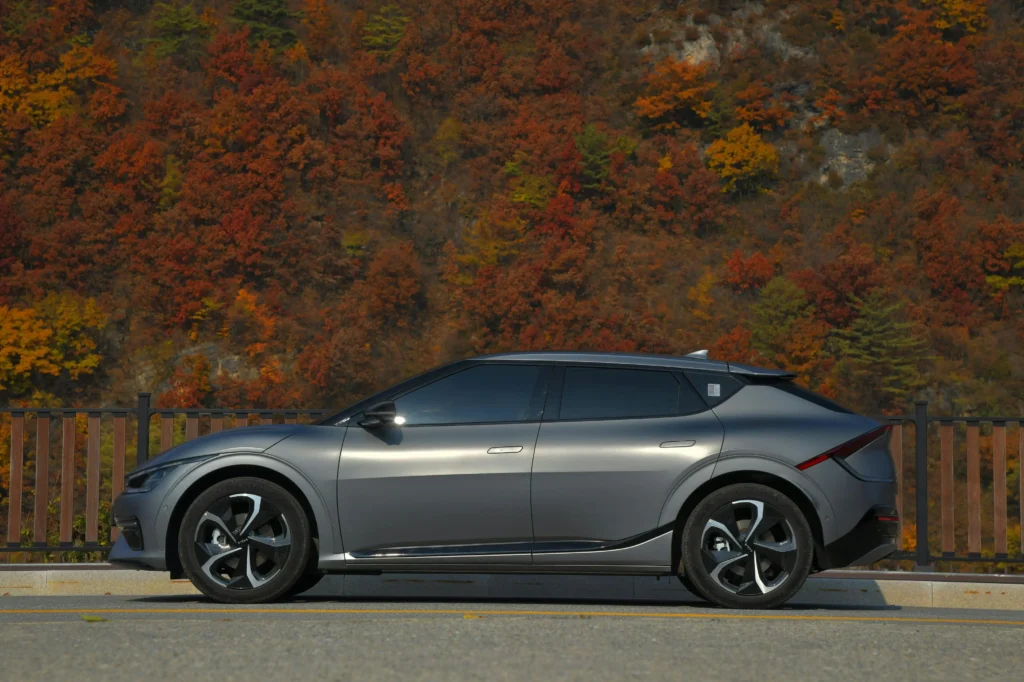
Unlike ice vehicles, EVs avoid many engine-related services. No engine oil or oil filters, no spark plugs, no fuel filters, no timing belts and no exhaust system repairs. EVs still need routine checks of tyres, brakes, fluids and safety systems, plus software updates that can improve efficiency and battery performance.
Costs and Service Intervals
Routine EV maintenance is generally cheaper over time, thus lowering servicing costs, thanks to fewer consumables and fewer moving parts. Industry estimates often place routine maintenance savings in the 20% to 40% range versus comparable combustion cars, noting that some models can be similar in cost depending on tyres and brand requirements. Key cost drivers are tyres, brake fluid changes, wheel alignments, cabin filters and diagnostic labour. Some manufacturers include complimentary servicing for a set period, which can lower ownership costs further. Charging is usually cheaper than refuelling, reducing overall running costs.
A typical annual visit may include tyre rotation, brake fluid test or change, underbody inspection, software updates, cabin filter replacement, 12-volt battery check and a road test. Long-distance or hot-climate driving can accelerate tyre wear, so plan for earlier replacements if you tour frequently.
How To Reduce EV Maintenance Costs
Keep tyres at placard pressure, rotate on time and drive smoothly to reduce wear. Store and charge in moderate temperatures when practical, schedule software updates, and use qualified EV service centres for high-voltage work. Respond to instrument warning lights promptly so small issues do not become major repairs. Before road trips, check pressures, washer fluid and wiper blades.
Conclusion And Next Steps
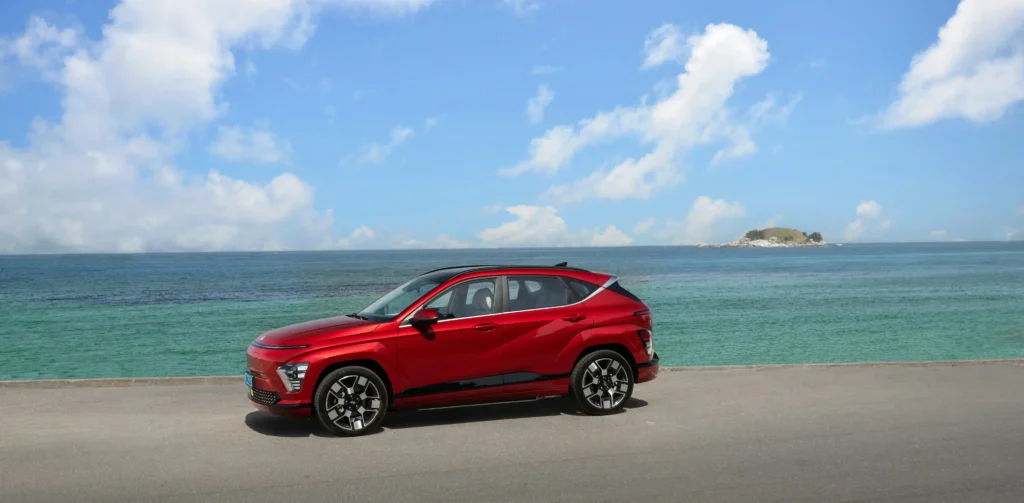
Electric vehicles are simpler to maintain than traditional cars, but they still need disciplined, scheduled care for safety, performance and warranty protection. Follow the recommended service interval, prioritise tyres, brakes and cooling, and rely on qualified technicians for high-voltage work.
FAQs
Yes. Plan routine inspections about every 10,000 to 15,000 km or 12 months unless your manufacturer specifies condition-based or longer intervals. EVs still need tyre care, brake fluid testing, coolant checks, software updates, safety inspections, and general electric vehicle maintenance.
About every two years or sooner if a boiling-point test fails. Brake fluid absorbs moisture over time, which affects performance and can corrode components.
Most EVs use liquid coolant for the battery and power electronics. Workshops check level, strength and pump operation. Some models specify replacement intervals; others rely on inspection results.
The additional weight and instant torque of an electric car increase load and wear on tyres. Correct pressure, disciplined rotations every 8,000 to 12,000 km and quality alignment keep wear even. EV-rated tyres can help with range, grip and noise.
State-of-health readings, software and firmware updates, fault code reviews and visual inspection of orange-coded cabling and connectors. Only trained technicians should work on high-voltage systems.
Generally yes. As a result, EVs require less maintenance than petrol or diesel vehicles, have far fewer moving parts and avoid engine consumables. Many owners see 20% to 40% lower routine maintenance costs over time, with tyres being a larger share of the budget.
Around 10 to 15 years is common with sensible care. For daily use, keeping charge roughly between 20% and 80% reduces stress. Avoid prolonged exposure to extreme temperatures when possible.
SERVICE QUOTE
24 Radius Loop, Bayswater WA 6053
Monday – Thursday: 7:30am – 5pm
Friday: 7:30am – 4pm
Our Services
AdBlue System Servicing & Repairs
- AdBlue Fault Diagnosis
- AdBlue Warning & Countdown Reset
- Metering Valve & Injector Replacement
- AdBlue Pump & Tank Repairs
- NOx & Level Sensor Replacement
- SCR Catalyst Crystallisation Cleaning
- Mercedes, BMW, Audi, VW & More
Brake Servicing
- Brake Inspection & Diagnosis
- Disc Brake Service
- Drum Brake Service
- Master Cylinder
- ABS Diagnosis
- Brake Fluid Flush
Car Electrical Services
- All lighting and modifications
- Control module diagnosis
- Alternators, Batteries
- Starters
- Air Bag System Diagnosis and repair
- Accessories and upgrades
- Windshield Wipers & Washers
Collision Advice
- Insurance Claims
- Vehicle Restoration
- Body Kits
- Glass Replacement
- Custom Graphics
- Interior & Exterior Trim
- All Makes and Models
Comfort System
- Air Conditioning Service
- System Diagnosis
- Heater Core
- A/C Compressors
- Blower Motors
- Climate Control System
Cooling System
- Leak Diagnosis
- Overheating Diagnosis
- Water Pumps
- Radiators
- Cooling Fans
- Coolant Hoses
- Thermostats
Engine Performance
- High Performance Upgrades
- Drivability Diagnosis
- Fuel Injection Service
- Computer System Diagnosis
- Maintenance Tune-Up
- Emission Diagnosis & Repair
- “Check Engine” Light Diagnosis
Engine Servicing
- Oil Leak Diagnosis
- Timing Belts
- Performance manifolds and accessories
- Head Gaskets
- Engine Replacement
- Engine Service
- Exhaust System Replacement & Repair
- Performance Upgrades
Maintenance Services
- Factory protected log book servicing
- Full 100 safety point inspections
- Transmission Service
- Cooling System Flush
- Tyre Rotation & Balance
Pop and Crackle Tunes (Burble Tunes)
- Stage 1 Tuning
- Stage 2 Tuning
- Stage 3 Tuning
- Fuel Efficiency Tuning
- Engine Remapping