
Brake servicing is the routine inspection, cleaning and maintenance of your vehicle’s braking system to keep stopping distances short and safety consistent. A complete service checks critical components, measures wear against manufacturer limits and corrects issues early, so the vehicle remains safe in everyday driving and in emergencies.
Why Brake Servicing Matters
Your braking system is one of the most critical components for road safety. Brakes slow and stop the car by creating friction at the wheels, converting kinetic energy into heat. When pads, rotors, calipers, fluid and lines are functioning correctly, the car stops straight and predictably. Neglect leads to longer stopping distances, vibration, noise and in extreme cases brake failure. Regular brake maintenance identifies problems before they become costly repairs and protects the most important safety feature on your vehicle.

Brake Pads, Brake Pedal and The Brake System
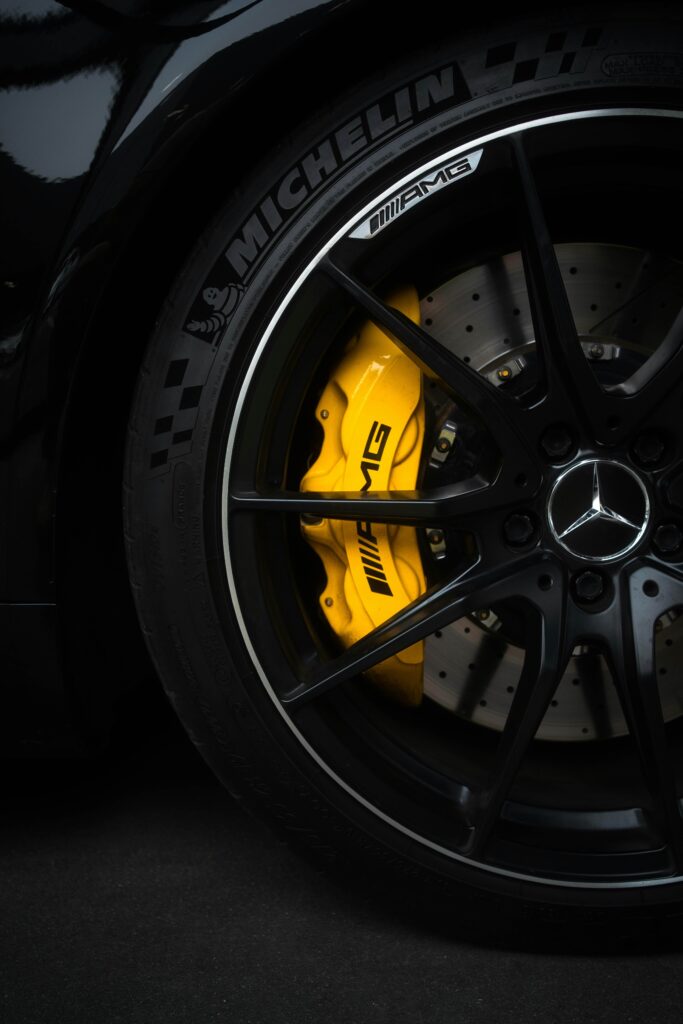
Modern vehicles typically use disc brakes, where a rotor is fixed to the wheel hub and a caliper squeezes brake pads against the rotor to decelerate the car. Some rear wheels still use drum brakes, where brake shoes press outward on a rotating drum to create friction. Pressing the brake pedal activates the hydraulic system: the master cylinder pushes brake fluid through brake lines and hoses to caliper pistons, which clamp the pads. Each part plays an important role in vehicle safety. Healthy pads provide the friction material, rotors supply the surface, pistons apply the force, and the pedal gives you fine control over pressure.
Brake Fluid and Why It Matters in a Brake Service
Brake fluid provides the hydraulic pressure that activates the components effectively. Over time it absorbs moisture, which lowers its boiling point and can corrode internal parts. Dark or contaminated fluid is a sign of degradation. If fluid overheats, vapour bubbles can form, and the brake pedal may feel soft. A proper brake service checks fluid level and condition, inspects the reservoir and master cylinder, and replaces the fluid at recommended intervals. Using the correct DOT rating for your vehicle helps protect seals, the anti-lock braking system and overall performance.
Brake Inspection Checklist in a Standard Brake Service
A standard brake inspection focuses on condition, measurement and safe operation. A professional brake inspection should include the following:
- Measure brake pad thickness in millimetres to confirm it sits above the minimum safety limit, check rotor thickness and runout against specification, inspect brake calipers for even pad contact, free movement and leaks, clean and lubricate slide pins and contact points, and verify drum brake shoes where fitted.
- Inspect brake lines and hoses for cracking, chafe marks and leaking fluid, test brake fluid for moisture and contamination, check parking brake and emergency brake function and adjustment, scan the anti-lock braking system for fault codes and sensor faults, and complete a road test to confirm pedal feel and straight-line braking.
Clear findings should follow the inspection, with necessary repairs explained and prioritised. Using quality parts and correct torque procedures helps ensure the system functions correctly after servicing.
Brake Repairs Versus Servicing: When Worn Components Need Replacing
Routine servicing keeps components clean, lubricated and within spec. Brake repairs address worn components that can no longer deliver safe performance. Worn brake pads below minimum thickness requires pad replacement. Warped rotors that cause pulsation, cracked rotors or rotors below minimum thickness need resurfacing within spec or replacement. Seized or leaking brake calipers must be repaired or replaced. Cracked hoses and damaged brake lines demand immediate replacement. Dealing with worn components early prevents structural damage to rotors, hubs and calipers and reduces the chance of larger, more expensive repairs.
Warning Signs You Need a Brake Check
Pay attention to changes in sound, feel and dashboard alerts. Book your brake inspection if you notice:
- Squeaking or grinding noises when braking, an illuminated brake warning light, vibration or pulsation through the brake pedal or steering wheel, pulling to one side under braking, a soft or spongy pedal, a sudden increase in brake dust on one wheel, burning smells after a stop or any sign of leaking fluid near a wheel or under the bonnet.
- Reduced stopping power, longer stopping distances in everyday driving, or a car that pulls when you brake are sure signs of worn pads, warped rotors or caliper issues that need professional brake services.
These warning signs indicate worn components or hydraulic issues that a qualified mechanic should assess promptly.
How Often Should Brakes Be Serviced?
Most vehicles should have their brakes checked at least once a year or every 10,000 to 20,000 kilometres, often aligned with tyre rotations or routine vehicle service intervals. In city driving with frequent stops, plan checks every six months. Vehicles that tow, carry heavy loads or operate in hilly areas also benefit from more frequent inspections. Brake fluid is typically replaced every two years, or sooner if testing shows elevated moisture. Regular brake servicing keeps the braking system functioning correctly and helps avoid costly repairs.
Maintenance Tips to Extend Brake Life
Smooth, anticipatory driving reduces heat and wear on pads and rotors. Leave room to slow gradually, avoid riding the brake pedal and downshift on long descents where appropriate. After driving through deep water, have your brakes checked because water and debris can accelerate corrosion and reduce performance. Keep wheels and calipers clean to manage brake dust build-up. Rely on measurements rather than time alone: pad lifespan varies widely with vehicle type and driving habits.
European Car Considerations and Modern Vehicles
Many European cars use larger rotors, soft-compound pads and electronic parking brakes. These vehicles often include pad wear sensors that trigger a dashboard light when friction material is low. Servicing may require manufacturer service modes for electronic parking brakes and an ABS scan to clear historical codes. Using manufacturer-approved parts preserves pedal feel, reduces brake dust on wheels and supports system longevity.

What To Expect at Your Appointment
A typical appointment takes about 60 to 120 minutes depending on findings. You should receive pad and rotor measurements, photos of worn components, brake fluid test results, any anti-lock braking system fault codes and a summary of road test observations. If parts are replaced, you will receive bedding-in advice: several firm, moderate stops from city speeds to seat the friction material evenly and reduce the chance of noise or vibration. Many reputable repair shops offer warranties on parts and labour for brake services, which provides peace of mind.
Frequently Asked Questions
Have your brakes checked annually or every 10,000 to 20,000 kilometres, with six-monthly checks for city driving, towing or hilly routes. Regular inspections catch wear early and help prevent costly repairs.
Rotors with minor glazing or light runout can sometimes be resurfaced if they remain above minimum thickness. Cracked, heat-spotted, warped or below-spec rotors must be replaced to restore consistent braking and prevent vibration.
Most drivers see 30,000 to 70,000 kilometres from a set of pads, but lifespan depends on vehicle type and driving habits. Stop-start traffic, heavy loads and spirited driving reduce that range, so rely on measurements rather than time alone.
A comprehensive service includes a detailed visual inspection, measuring pad and rotor thickness, cleaning and lubricating guide pins, checking the parking brake, inspecting lines and hoses, testing brake fluid, scanning the anti-lock braking system and a road test.
Yes. Brake fluid absorbs moisture over time, lowering its boiling point and risking internal corrosion even when pedal feel seems normal. Testing during a service confirms when replacement is due.
Conclusion and Next Steps
Understanding brake components and how they work together helps you act before problems escalate. A complete brake service inspects pads, rotors, calipers, shoes or drums where fitted, brake lines and hoses, tests brake fluid and verifies operation of the parking brake and anti-lock braking system. Regular brake servicing keeps the vehicle’s braking system functioning correctly, protects critical components and supports your safety on the road. If you have noticed unusual noises, vibration, a soft pedal, pulling to one side or a brake warning light, it is time to act. Book a brake inspection today to have your brakes checked by trusted mechanics and keep your vehicle safe and ready for every stop.
SERVICE QUOTE
24 Radius Loop, Bayswater WA 6053
Monday – Thursday: 7:30am – 5pm
Friday: 7:30am – 4pm
Our Services
AdBlue System Servicing & Repairs
- AdBlue Fault Diagnosis
- AdBlue Warning & Countdown Reset
- Metering Valve & Injector Replacement
- AdBlue Pump & Tank Repairs
- NOx & Level Sensor Replacement
- SCR Catalyst Crystallisation Cleaning
- Mercedes, BMW, Audi, VW & More
Brake Servicing
- Brake Inspection & Diagnosis
- Disc Brake Service
- Drum Brake Service
- Master Cylinder
- ABS Diagnosis
- Brake Fluid Flush
Car Electrical Services
- All lighting and modifications
- Control module diagnosis
- Alternators, Batteries
- Starters
- Air Bag System Diagnosis and repair
- Accessories and upgrades
- Windshield Wipers & Washers
Collision Advice
- Insurance Claims
- Vehicle Restoration
- Body Kits
- Glass Replacement
- Custom Graphics
- Interior & Exterior Trim
- All Makes and Models
Comfort System
- Air Conditioning Service
- System Diagnosis
- Heater Core
- A/C Compressors
- Blower Motors
- Climate Control System
Cooling System
- Leak Diagnosis
- Overheating Diagnosis
- Water Pumps
- Radiators
- Cooling Fans
- Coolant Hoses
- Thermostats
Engine Performance
- High Performance Upgrades
- Drivability Diagnosis
- Fuel Injection Service
- Computer System Diagnosis
- Maintenance Tune-Up
- Emission Diagnosis & Repair
- “Check Engine” Light Diagnosis
Engine Servicing
- Oil Leak Diagnosis
- Timing Belts
- Performance manifolds and accessories
- Head Gaskets
- Engine Replacement
- Engine Service
- Exhaust System Replacement & Repair
- Performance Upgrades
Maintenance Services
- Factory protected log book servicing
- Full 100 safety point inspections
- Transmission Service
- Cooling System Flush
- Tyre Rotation & Balance
Pop and Crackle Tunes (Burble Tunes)
- Stage 1 Tuning
- Stage 2 Tuning
- Stage 3 Tuning
- Fuel Efficiency Tuning
- Engine Remapping