
Servicing your car is a structured task, not a mystery. At regular intervals by kilometres or months, you should complete an overall maintenance check that goes beyond an oil change. Many car owners perform basic maintenance and DIY car servicing on their own car to save money and gain confidence. Car maintenance is essential for all car owners, and DIY car servicing is a practical option for those wishing to maintain their own car. A consistent routine prevents overheating, protects braking performance and avoids costly repairs. Basic upkeep is cheaper than major repairs caused by neglect.
It is recommended that most vehicles are serviced at least once a year to keep the mechanics in good working order. Always follow your owner’s manual (also known as your car’s manual), which is the definitive guide for all car maintenance and basic maintenance procedures, providing car owners with exact fluid grades, capacities, service intervals, and step-by-step instructions for safe and effective upkeep. Keep detailed records to support resale value.

Basic Services Included in A DIY Service
A basic car service covers the essentials that keep a vehicle reliable between scheduled services. The core items are an engine oil and filter change, a tyre rotation with pressure checks, and a full set of fluid checks for coolant, brake fluid, power steering fluid and windscreen washer fluid. Changing oil is a key DIY maintenance task that every car owner should learn, as it plays a crucial role in overall vehicle maintenance.
Add simple safety checks for air filters, windscreen wipers, all exterior lights (including headlights, tail-lights, brake lights, and indicators), and battery condition as part of a thorough DIY maintenance routine so the car runs smoothly day to day. Regular upkeep such as cleaning the car and rotating tyres helps it run safely and can reduce long term costs. Keeping your tyres inflated to the correct pressure increases their lifespan and improves fuel efficiency.
Tools, Parts and Safety Gear
Set up your workspace before you start so you do not hunt for tools mid job. You will need a car jack, axle stands, wheel chocks, a socket wrench set, a torque wrench, an oil filter wrench or oil filter remover tool, a spark plug socket if you will inspect plugs, a drain pan, a funnel to prevent spills, a sealed container for used oil, shop rags and a new oil filter with a fresh rubber seal. Wear gloves and safety glasses, park on level ground and only work under a vehicle supported by stands. Keep a tyre pressure gauge handy and use the driver’s door placard to set the correct cold pressures. When checking tyre pressures, remember to remove the dust cap from the valve stem before using the gauge and replace it afterwards to protect the valve. After servicing, monitor the temperature gauge during and after running the engine to ensure it does not overheat.
Warm The Engine and Raise the Vehicle Safely
Warm the engine briefly so the old oil flows freely, then switch off, engage the park brake and chock the wheels. Check your owner’s manual for the approved jacking points and support points, then lift and set the car on axle stands. Keep feet and hands clear of the pinch welds and never rely on the jack alone.
Drain The Oil and Refit the Sump Plug
Place the drain pan beneath the sump plug to prepare for the oil drain process and crack the plug loose with the correct socket. Remove the plug by hand and allow the old engine oil to drain completely. Oil that looks very dark and sludgy needs changing. Inspect the crush washer and replace it if worn. Clean the area, thread the plug by hand to avoid cross threading, then tighten to the specified torque. Wipe away residue so you can spot any fresh leaks later and pour the used oil into a sealed container for recycling at an approved facility.
After refilling with new oil, always check the engine oil level to ensure it is at the correct volume for safe engine operation.
Replace The Oil Filter and Refill with the Correct Grade
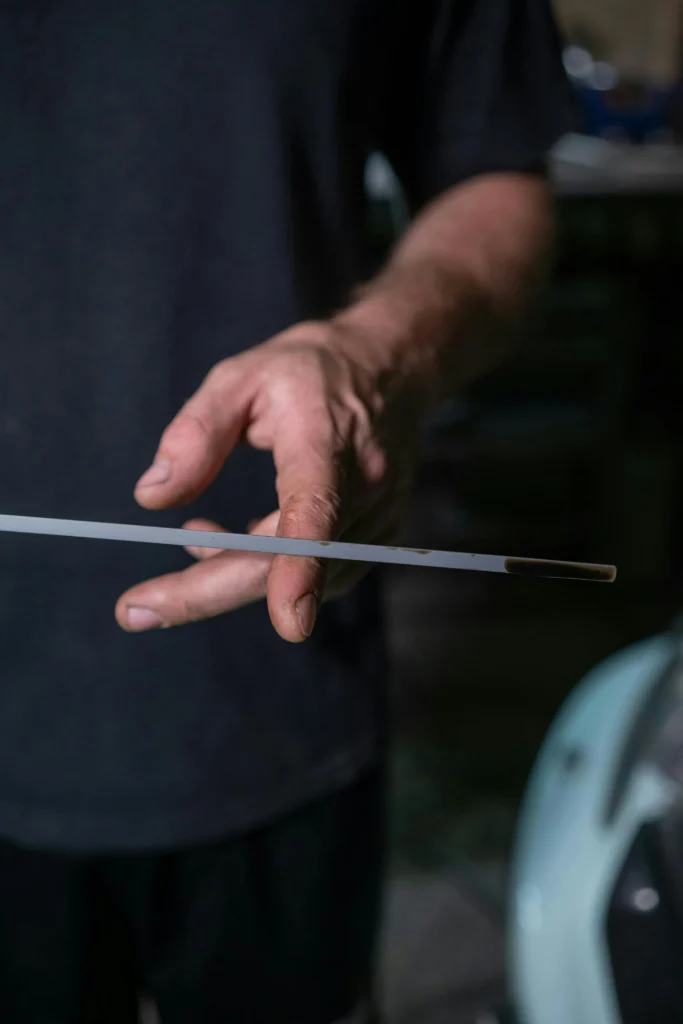
Position the drain pan under the oil filter housing and remove the old filter with your oil filter wrench. Check that the old rubber seal is not stuck to the housing. Lightly oil the new filter O ring with fresh oil and install the new oil filter hand tight. Remove the oil filler cap and add the correct volume and grade listed in your car’s manual. Replace the cap, start the engine for a few seconds to circulate oil, then shut down and check the dipstick. Top up to the full mark without overfilling and check for leaks around the filter and sump plug.
Engine Air Filter and Cabin Filter
Replace the engine air filter at the interval listed in your manual or sooner if it appears clogged with dust and debris. Replacing air filters regularly is essential for optimal performance. A clean engine air filter helps the engine receive sufficient clean air for efficient combustion and better fuel economy. Replace the cabin filter regularly to maintain airflow through the ventilation system and reduce window fogging.
Fluid Levels to Check and Top Up
Check fluid levels with the engine off and on level ground. The engine coolant should sit between the min and max marks on the translucent reservoir when the engine is cold. The cooling system needs periodic checks and engine coolant flushes to prevent overheating. As part of regular cooling system checks, inspect radiator hoses for leaks or cracks to avoid engine overheating and damage. Inspect all engine belts and hoses for cracks, fraying, or leaks as they are vital to engine function. Check brake fluid level and clarity in the master cylinder reservoir. If the brake fluid is low, inspect pad wear rather than topping up indiscriminately. Check power steering fluid if your vehicle uses a hydraulic system. Refill the windscreen washer reservoir and make sure jets spray cleanly. Fluids are the lifeblood of your vehicle and must be replaced when needed to keep systems operating safely.
Tyre Pressures, Tread Depth and Rotation
Set cold tyre pressures to the manufacturer’s recommendation on the placard, which is typically found on the driver’s door. Correct tyre pressure improves safety, reduces wear and can improve fuel efficiency. Inspect tyres for damage, uneven tyre wear and embedded objects. Also, check the spare tyre for correct pressure and condition. Measure tread depth in millimetres and ensure it remains above the legal minimum. In Australia, the minimum legal tread depth is generally 1.5 mm across the tread, though changing at 3 mm adds a safety margin in wet conditions. In the UK, the minimum legal tread depth is 1.6 mm. Rotate tyres front to rear in the same position unless your manual specifies a different pattern. If you notice feathering or shoulder wear, book a wheel alignment. Proper tyre maintenance ensures optimal performance and safety.
Lights, Wipers and Battery Checks
Test headlights, indicators, brake lights, reverse lights, and all exterior lights. Replace any failed bulbs so the vehicle remains visible and compliant.
Inspect windscreen wipers and wiper blades for splits and streaking and replace the windscreen wiper if it chatters or smears. Regular replacement of windscreen wipers ensures clear visibility and safe driving in all weather conditions.
Check battery terminals for corrosion and clean them carefully if needed. If you can, test battery voltage and confirm the charging system is operating to avoid unexpected failures.
Spark Plugs and When to Replace Them
Spark plugs are service items on many petrol models and should be replaced at the manufacturer’s interval, often between 48,000 and 160,000 kilometres depending on plug type. Installing a new spark plug at the recommended interval is essential for keeping your car running smoothly and preventing issues like engine misfires or rough idling. If you plan to inspect them, use a spark plug socket and remove one at a time so leads or coils do not get mixed. Look for even light tan colour on the insulator and replace plugs that show heavy wear or damage. Always gap new plugs to spec if required and torque to the value in the manual. Correct plugs can improve fuel efficiency and smooth running. Spark plugs generally need to be replaced every 48,000 to 160,000 kilometres.
Diagnostic Scan, Service Light Reset and Records
Use a basic OBD2 scanner to check for stored fault codes before and after you complete the service. Address any genuine faults and clear resolved codes. If your vehicle has a service reminder, follow the manual’s procedure to reset it only after the work is complete. Record the date, odometer and parts used. Keeping detailed service records improves resale value and helps future servicing.
Road Test and Final Checks
Start the engine and listen for unusual noises. Take a short drive, apply the brakes gently at first and confirm the steering tracks straight. Watch for warning lights and keep an eye on the temperature gauge during the drive to ensure the engine does not overheat. On return, recheck the oil level after a few minutes and scan beneath the car for any fresh leaks. Confirm tyre pressures once more and stow your tools. Preventative checks like these help avoid breakdowns and catch small issues before they become serious.
What DIY Does Not Cover and When to Book a Professional
A detailed service includes more than oil, filters and checks. Professional workshops handle brake fluid flushing, coolant flushing, transmission servicing, timing belts, high voltage systems and wheel alignment because these systems are safety critical or need specialised equipment. Tasks involving the fuel system should be left to a professional mechanic or local mechanic due to the complexity and safety concerns. Engine components and modern systems can be complex and are best handled by trained mechanics if you are not highly experienced. Ignoring warning signs or tackling complex tasks without proper knowledge can lead to expensive repairs and safety risks. Scheduled servicing by a professional remains essential for long term reliability and performance.

FAQs
How Often Should I Service My Car?
Service intervals are listed in the owner’s manual by kilometres and months. Many cars require an oil change every 5,000 to 10,000 kilometres or six to twelve months, depending on driving conditions. Heavy traffic, towing or short trips may justify shorter intervals.
What Oil Grade Should I Use?
Only use the oil grade and specification listed in your manual or on the oil cap. The correct oil is essential for proper lubrication and can prevent wear, overheating and fault codes. Using the wrong grade may reduce performance and economy.
Can I Service My Car at Home Without Voiding Warranty?
You can complete basic tasks yourself if you follow the logbook schedule, use parts and fluids that meet the manufacturer specification and keep dated receipts and records. Australian consumer law allows independent servicing when it is done correctly.
How Do I Dispose of Used Oil and Filters?
Never pour oil down drains. Store used oil in a sealed container and take it to an approved recycling centre. Allow the old filter to drain, then dispose of it according to local guidelines. Your council website lists the nearest facilities.
What Is Included in a Detailed Service?
Beyond oil and filter changes, a detailed service can include spark plugs, fuel filter, brake fluid flush, coolant change, brake pads inspection and replacement if necessary, belt and hose inspections, battery and charging system tests, and a full safety check of brakes, steering and suspension.
When Should I Replace Spark Plugs?
Follow your manual. Many cars specify replacement between 48,000 and 160,000 kilometres based on plug type and engine design. Rough running, misfires or increased fuel consumption can be signs that plugs are due sooner.
Conclusion and Next Steps
A careful home service keeps your car reliable between scheduled services. Follow your owner’s manual, use the correct fluids and parts, inspect belts and hoses, set tyre pressures, and test lights, wipers and the battery. Record the work so the next visit is easier and safer. If any task exceeds your tools or time, or if your vehicle needs work beyond basic checks, Book A Logbook Safe Service Today.
SERVICE QUOTE
24 Radius Loop, Bayswater WA 6053
Monday – Friday: 8am – 5pm
Saturday: 9am – 1pm
(Appointments Only)
Our Services
Brake Servicing
- Brake Inspection & Diagnosis
- Disc Brake Service
- Drum Brake Service
- Master Cylinder
- ABS Diagnosis
- Brake Fluid Flush
Car Electrical Services
- All lighting and modifications
- Control module diagnosis
- Alternators, Batteries
- Starters
- Air Bag System Diagnosis and repair
- Accessories and upgrades
- Windshield Wipers & Washers
Collision Advice
- Insurance Claims
- Vehicle Restoration
- Body Kits
- Glass Replacement
- Custom Graphics
- Interior & Exterior Trim
- All Makes and Models
Comfort System
- Air Conditioning Service
- System Diagnosis
- Heater Core
- A/C Compressors
- Blower Motors
- Climate Control System
Cooling System
- Leak Diagnosis
- Overheating Diagnosis
- Water Pumps
- Radiators
- Cooling Fans
- Coolant Hoses
- Thermostats
Engine Performance
- High Performance Upgrades
- Drivability Diagnosis
- Fuel Injection Service
- Computer System Diagnosis
- Maintenance Tune-Up
- Emission Diagnosis & Repair
- “Check Engine” Light Diagnosis
Engine Servicing
- Oil Leak Diagnosis
- Timing Belts
- Performance manifolds and accessories
- Head Gaskets
- Engine Replacement
- Engine Service
- Exhaust System Replacement & Repair
- Performance Upgrades
Maintenance Services
- Factory protected log book servicing
- Full 100 safety point inspections
- Transmission Service
- Cooling System Flush
- Tyre Rotation & Balance
Pop and Crackle Tunes (Burble Tunes)
- Stage 1 Tuning
- Stage 2 Tuning
- Stage 3 Tuning
- Fuel Efficiency Tuning
- Engine Remapping
Steering & Suspension Servicing
- Two & Four Wheel Alignments
- Struts & Shocks upgrades or replace
- Rack & Pinion diagnosis and repair
- High Performance Suspension
- Upgrades & Adjustments
- Tyre Replacement
- Transmission diagnosis & Repair
- Differential Replacement
- Complete Drive Train Repair