
A complete beginner friendly guide to removing, inspecting, machining, reassembling and restarting a car engine safely. Use AU English measurements and follow your factory service manual for torque specifications and clearances. A factory service manual specific to the engine model is an invaluable resource for rebuilding.
Research And Planning
Start with a clear scope, budget and timeline. Decide whether you need a refresh or a successful rebuild. A refresh replaces gaskets, seals and wear items. A comprehensive rebuild adds machining, new pistons and bearings and full specification checks. The engine rebuilding process often begins with researching and planning the project.
Gather documents and tools: Disassembly is the first major phase of an engine rebuild, involving the removal of all accessories from the engine.
- Factory Service Manual or Shop Manual
- Torque Wrench, Micrometers, Dial Bore Gauge, Plastigauge, Degree Wheel, Dial Indicator
- Engine Hoist, Engine Stand, Jack Stands, Basic Hand Tools, Specialised Tools, Tap and Die Kit
- Assembly Lube, Brake Cleaner, Compressed Air, Parts Washer or Hot Wash, Markers, Bags and Tags
- Basic hand tools like wrenches, pliers, and screwdrivers are required for disassembly and reassembly tasks
Confirm the workspace has ventilation, spill control and enough height for the engine hoist. Photograph every stage and label all the bolts as you go. Safety first. Wear eye protection and gloves and support the vehicle with jack stands. A good practice during disassembly includes taking photos and labelling all wires, hoses, and bolts.
Engine Inspection and Assessment
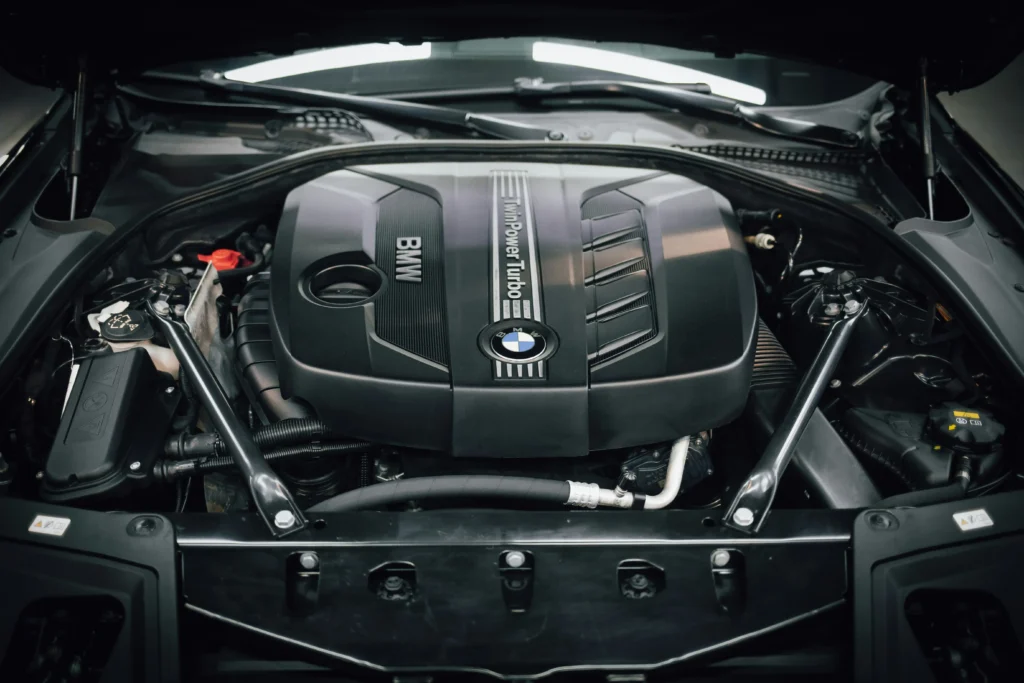
Begin with cleaning. Degrease the exterior and remove loose debris so faults are visible. Check fluids before tear down. Look for coolant in oil, oil in coolant, metal in the sump, and inspect the cylinder walls. Listen for knocks, rattle or low oil pressure behaviour. Inspect for cracks and any signs of overheating prior to disassembly. After disassembling the engine, it’s important to clean all components to eliminate grease and debris before inspection.
Run baseline tests where possible:
- Compression test and leak down test to identify internal issues
- Visual inspection of the engine block for cracks or overheating marks
- Straight edge and feeler gauges to check deck surface flatness where accessible
- Use a micrometre to determine the bore diameter during inspection
Document symptoms with photos. If the engine runs, note oil pressure with a gauge and any abnormal noises. Listen for unusual sounds from the engine to identify worn components. This assessment helps decide if a rebuild or replacement is the better choice.
Disassembly Part 1: Engine And Accessory Removal and Labelling
Disconnect the battery and drain engine oil and coolant. Remove the bonnet if access is tight. Label every connector and vacuum line.
- Remove the air conditioning compressor, power steering pump and alternator. Bag the fasteners.
- Separate the exhaust system where needed.
- Unbolt engine mounts, transmission crossmember if required, and lift using the engine hoist onto the engine stand.
- Fit block plugs to oil passages and coolant outlets to avoid spills.
Bagging and labelling your parts help reassembly. Store removed parts in order, so caps, fasteners and components remain matched.
Disassembly Part 2: Top End Removal
Strip the top end to gain access to the rotating assembly.
- Remove the valve covers, ignition components and intake manifold.
- Remove the timing cover after loosening overlapping accessories.
- Keep pushrods and rockers in order if inspecting wear patterns.
Inspect for cracks, signs of overheating and gasket failures. Clean components before measurement to avoid debris affecting readings. During inspection, each component, including wrist pins, should be carefully examined for signs of wear, damage, or corrosion. Perform a visual inspection of the engine block itself for any cracks.
Disassembly Part 3: Valvetrain Disassembly
Prepare for cylinder head removal.
- Remove rocker arms and pushrods in matched sets.
- Use a valve spring compressor to release valve keepers and valve springs if stripping heads on the bench.
- Note lifter type and orientation if reusing for diagnosis. Plan to replace during a rebuild.
Disassembly Part 4: Camshaft Removal
Expose the timing set:
- Remove the harmonic balancer with a proper puller.
- Remove the timing cover, timing chain and timing gears.
- Withdraw the camshaft carefully to avoid scoring cam bearings. Camshaft bearings are usually replaced by the machine shop.
Disassembly Part 5: Bottom End Disassembly
Work methodically.
- Remove the oil pan and oil pump. Inspect the pickup for debris and sludge build up.
- Loosen main caps in sequence. Remove connecting rod caps one at a time and push pistons and rods out of the cylinder bores.
- Remove the crankshaft. Keep main bearings and thrust bearing shells labelled for inspection. Damage during the disassembly process is often related to improper technique or lack of care.
Bag each cap with its fasteners. Double check orientation marks before packing away.
Disassembly Part 6: Cylinder Head Disassembly
Strip the heads on the bench.
- Use The Valve Spring Compressor to release Valve Keepers, Valve Springs and Valves.
- Record valve positions. Separate intake and exhaust valves.
- Remove Old Stem Seals. Check guides for play and seat condition.
The result is a bare engine block and organised engine components ready for measurement and machine work.

Measurement And Machine Shop Brief
Dimensional inspection ensures parts are within specification.
- Cylinder Bores. Use a Dial Bore Gauge to measure size, taper and out of round. Decide hone versus overbore.
- Bearing Journals. Mic the crankshaft mains and big ends. Record sizes for bearing selection.
- Deck And Head Flatness. Use a straight edge and feeler gauges.
- Clearance Verification. Use Plastigauge during mock assembly to confirm main bearing and big end bearing clearance.
- Compression Ratio. Recalculate if piston crown volume, gasket thickness or deck height change.
- Valve Train Checks. Perform a dry build to confirm valve to piston and valve to head clearance where applicable. Inspect cylinders for visible wear and use machinist tools for accurate measurement.
Provide the machine shop with a written work order for the replacement parts:
- Bore and hone to oversize as required
- Grind or polish crank journals to suit new bearings
- Deck block and skim cylinder head if needed
- Replace cam bearings
- Hot tank block and heads, clean oil galleries and oil passages
A good machinist checks parts carefully to avoid future assembly or operation issues.
Parts Selection and Replacement
Choose quality, compatible parts and measure before ordering. Choosing quality parts is crucial for a successful engine rebuild and to ensure the longevity of the new engine.
- Essential new parts include gaskets, seals, bearings, piston rings and timing components
- Replace every bearing, seal, o ring, gasket and freeze plug as good practice
- Use OEM parts where possible for reliability or select trusted brands with correct specifications
- Document all measurements to ensure the right oversizes and clearances
- Consider new or refurbished components based on condition and budget
- Gap piston rings before installation for proper sealing
- Seek expert advice if specifications or compatibility are unclear
- Replacing every bearing, seal, O-ring, gasket, and freeze plug is a good rule of thumb during an engine rebuild.
Include a new oil pump and pickup where applicable, a full seal kit including rear main seal, and fasteners such as head studs or new torque to yield bolts when specified.
Reassembly And Timing
Cleanliness, measurement and sequences are the priorities.
- Wash the block and heads thoroughly. Clean oil galleries and oil passages.
- Lubricate all moving parts with assembly lube before installation.
- Fit crankshaft and confirm bearing clearance with plastigauge. Torque main caps in sequence to specification.
- Install pistons and rings. Verify ring orientation and individual ring gaps for the actual cylinders.
- Fit timing chain and gears. Align timing marks and degree the cam with a degree wheel and dial indicator if required.
- Install oil pump and pickup. Seal and refit the oil pan.
- Install cylinder heads with new head gaskets. Torque in the correct sequence.
- Refit rocker arms and set lash or preload per the manual.
- Install the harmonic balancer and timing cover. Refit intake manifold and valve covers.
- Before reassembly, lubrication is applied to critical engine components to prevent wear during initial engine operation. Using correct torque specifications prevents common errors in rebuilding.
Follow torque specifications during the assembly process to ensure components are secure and properly fitted.
Installation and First Start
Move the long block back to the vehicle with the engine hoist.
- Install mounts. Reconnect accessories and wiring.
- Fill with mineral engine oil for run in. Prime the oil system.
- Crank with ignition disabled to build oil pressure and confirm with a gauge.
- Set base ignition timing per the manual. Check for fuel and coolant leaks.
- After assembling the engine, all accessories and wiring must be reconnected before the engine is reinstalled.
Reconnect all accessories and wiring before first start. Shut down immediately if there are unusual noises or rapid temperature rise.

Break In and Post Rebuild Checks
Proper break in sets long term reliability.
- Vary RPM during the initial run while monitoring oil pressure and temperature.
- Road break in over the first 800 to 1,000 km with varied load and rpm. Avoid steady highway running.
- Change oil and filter early and inspect the media for metal.
- Recheck torque where the manufacturer requires it.
Common Mistakes to Avoid
- Skipping cleaning that leaves contaminants inside assemblies
- Mixing main caps or connecting rod caps and losing orientation
- Not measuring piston ring gaps for the actual bores
- Ignoring timing alignment marks or cam degreeing when required
- Using the wrong sealants that cause leaks
- Dry starting without priming the oil system
- Failing to bag and label components, leading to reassembly errors. Not measuring piston ring gaps can cause compression loss and engine failure.
FAQs
How Long Does an Engine Rebuild Take?
A home workshop rebuild typically takes several weekends plus machine shop lead time. Disassembly and inspection may take one to two days. Measurement and machine work can take one to three weeks. Reassembly and installation take two to four days if parts and tools are ready. Use a torque wrench to tighten all bolts to the recommended specifications.
How Much Does an Engine Rebuild Cost in Australia?
Costs vary by engine type and scope. A refresh with gaskets, seals and bearings can start from a few thousand dollars in parts and machining. A comprehensive rebuild with new pistons, full machining and pumps is higher. Always budget for machine work, replacement fasteners, fluids, and consider saving money on parts where possible.
Can You Rebuild an Engine Without Machining?
Only if measurements are within specification. If cylinder bores, crank journals or head flatness are out of spec, machining is required. Measure first. If you need oversized pistons or ground journals, order matching bearings and rings.
What Is the Difference Between a Refresh and a Full Rebuild?
A refresh replaces wear items and seals without changing bore or journal sizes. A full rebuild corrects wear with machining, uses oversized pistons and bearings, and resets all clearances to factory values. Choose based on measurements and intended use.
How Do I Know If I Need a Rebuild or a Replacement?
Perform a compression test and a leak down test. Check oil pressure, oil condition and coolant for cross contamination. If the block is cracked or the cost of parts, including the fuel pump and machine work exceeds the value of a replacement engine, replacement may be the better choice.
Conclusion
Rebuilding an engine requires careful inspection, precise measurement and methodical assembly. Clean every part, measure with proper tools, follow torque sequences and confirm timing marks before first start. If you would like a professional assessment of your engine before you start, as an automotive enthusiast book a diagnostic inspection today and get a clear plan for your build.
SERVICE QUOTE
24 Radius Loop, Bayswater WA 6053
Monday – Friday: 8am – 5pm
Saturday: 9am – 1pm
(Appointments Only)
Our Services
Brake Servicing
- Brake Inspection & Diagnosis
- Disc Brake Service
- Drum Brake Service
- Master Cylinder
- ABS Diagnosis
- Brake Fluid Flush
Car Electrical Services
- All lighting and modifications
- Control module diagnosis
- Alternators, Batteries
- Starters
- Air Bag System Diagnosis and repair
- Accessories and upgrades
- Windshield Wipers & Washers
Collision Advice
- Insurance Claims
- Vehicle Restoration
- Body Kits
- Glass Replacement
- Custom Graphics
- Interior & Exterior Trim
- All Makes and Models
Comfort System
- Air Conditioning Service
- System Diagnosis
- Heater Core
- A/C Compressors
- Blower Motors
- Climate Control System
Cooling System
- Leak Diagnosis
- Overheating Diagnosis
- Water Pumps
- Radiators
- Cooling Fans
- Coolant Hoses
- Thermostats
Engine Performance
- High Performance Upgrades
- Drivability Diagnosis
- Fuel Injection Service
- Computer System Diagnosis
- Maintenance Tune-Up
- Emission Diagnosis & Repair
- “Check Engine” Light Diagnosis
Engine Servicing
- Oil Leak Diagnosis
- Timing Belts
- Performance manifolds and accessories
- Head Gaskets
- Engine Replacement
- Engine Service
- Exhaust System Replacement & Repair
- Performance Upgrades
Maintenance Services
- Factory protected log book servicing
- Full 100 safety point inspections
- Transmission Service
- Cooling System Flush
- Tyre Rotation & Balance
Pop and Crackle Tunes (Burble Tunes)
- Stage 1 Tuning
- Stage 2 Tuning
- Stage 3 Tuning
- Fuel Efficiency Tuning
- Engine Remapping
Steering & Suspension Servicing
- Two & Four Wheel Alignments
- Struts & Shocks upgrades or replace
- Rack & Pinion diagnosis and repair
- High Performance Suspension
- Upgrades & Adjustments
- Tyre Replacement
- Transmission diagnosis & Repair
- Differential Replacement
- Complete Drive Train Repair