
Service your car every six months or 10,000 km, whichever comes first, or as specified in your owner’s manual and logbook. Time still matters even if you drive low kilometres because oils, fluids and rubber components degrade while the car sits. Perth drivers who do short trips, tow, idle in stop start traffic, or drive in heat may need shorter intervals than the general rule. Newer vehicles may allow 12 months or 15,000 km but treat that as a maximum. Your car manufacturer sets service schedules for your model, engine and transmission, and your car’s logbook is the final word.
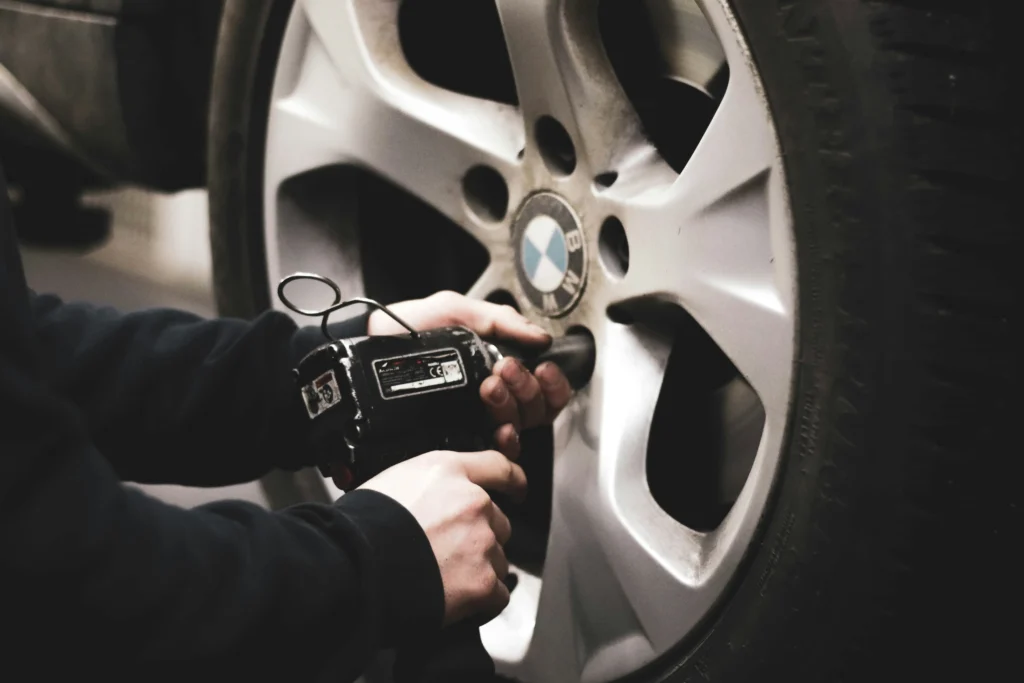
Why Service Intervals Differ
Service intervals vary because different vehicles and driving patterns place different loads on parts and fluids. An older car has more wear in bearings, seals and gaskets, so fresh oil and inspections help with regular maintenance and prevent minor issues becoming costly repairs. Turbocharged or high-performance engines run hotter, which can shorten oil life and increase the need for frequent checks. Short trips under ten kilometres never warm the engine fully, so moisture and fuel dilution build up in the oil. Towing, heavy loads and stop start city driving increase heat in the cooling system and brakes and can accelerate tyre and pad wear.
Climate and storage matter too. Perth summers, coastal air and dusty worksites affect filters and corrosion. Even if you rarely drive, time based items still age. Brake fluid absorbs moisture, coolant inhibitors deplete and wiper rubbers harden. That is why schedules are time or distance based, whichever comes first. Most manufacturers publish recommended service intervals in kilometres and months to maintain your car warranty and many newer models specify 12 months or 15,000 km for normal use, while older vehicles benefit from shorter checks.
Types Of Car Services
There are three main types of car services: minor, interim and major. The right choice depends on your vehicle, kilometres, and driving conditions, and a qualified mechanic will recommend what is due by your logbook.
Minor Service
A minor car service usually includes replacing the oil and oil filter, plus safety and system checks. Typical items include brakes and lights inspection, tyre condition and pressures, battery test, wipers and washers, fluid top ups, scan for fault codes, road test and service reminder reset. A minor service typically takes about one hour to complete on many models.
Interim Service
Interim servicing is performed between normal service intervals for severe use such as frequent short trips, dusty roads, towing or commercial driving. An interim service typically includes an engine oil check and oil filter change, along with targeted checks to keep the vehicle safe until the next scheduled visit.
Major Service
A major car service usually includes everything in a minor service, plus additional checks and part replacements specified by the vehicle manufacturer. Depending on the make and model, typical items are spark plugs, air and cabin filters, brake fluid replacement, engine coolant replacement, inspection of belts and hoses, steering, suspension and wheel bearings, and transmission or differential servicing where specified. A major service can take several hours to complete, often ranging from two to four hours or more, and for some vehicles may occupy most of the day.
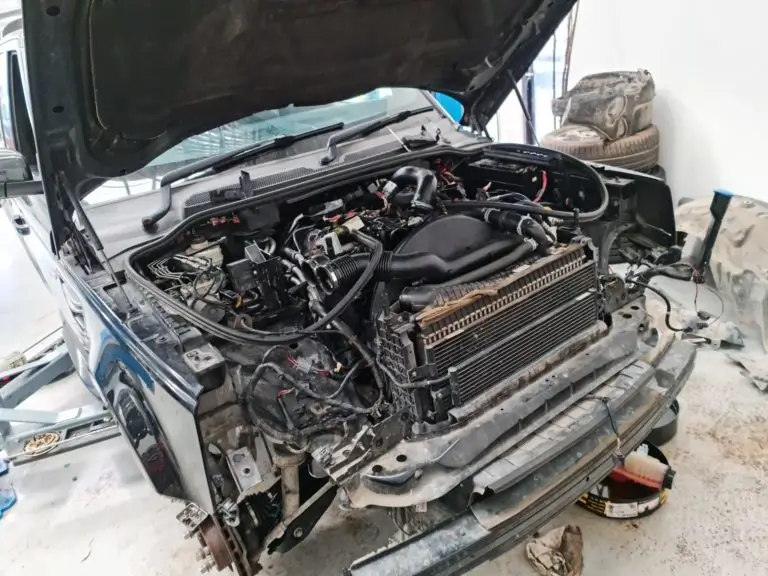
When To Service More Often
Short trips, stop start city driving and hot summer traffic can shorten the time between services because the engine and exhaust may not reach full operating temperature. Driving with heavy loads, towing a trailer or caravan, or commercial use places extra stress on the engine, cooling system and brakes, so shorter service intervals are recommended. Dusty, muddy or unsealed roads load the air filter and underbody, which increases wear and calls for more frequent checks. If you do not drive much, still service by time, such as every six months or year, to keep fluids fresh and systems safe to avoid inconvenient breakdowns. Older vehicles benefit from more frequent service intervals due to degrading components.
Logbook Service, Warranty and Genuine Parts
Logbook services include the specific checks and replacements recommended by the vehicle manufacturer to maintain warranty validity. Independent workshops can complete logbook servicing when they follow the procedures and use parts and fluids that meet the required specifications. Using genuine parts or comparable quality parts is important, particularly if your vehicle is under warranty, and helps keep the warranty intact. Your mechanic should sign and stamp the logbook and provide an invoice detailing what was done and any warranties on parts or labour. If your car is under capped price servicing, check the schedule and inclusions so time based items like brake fluid and coolant are completed when due.
Capped Price Servicing
Capped price servicing provides car owners with set price services for scheduled maintenance, which gives certainty about costs and helps with budgeting. Manufacturers often provide a servicing schedule in conjunction with capped price plans, and many publish online calculators to estimate costs across the covered ownership period. These plans usually cover specific items at set intervals, so review the inclusions and exclusions to understand what is covered and what may incur additional charges based on time or condition.
Choosing A Mechanic for Car Service
Word of mouth is one of the best ways to find a trustworthy mechanic, so ask family, friends and coworkers for local recommendations. Reading online reviews helps gauge reputation, and a quick visit to the workshop can show how the business is run. Seek out mechanics who specialise in your make and model, choose professionalism and good reputation over the cheapest pricing, and look for membership in a reputable association that follows a code of conduct. You are not obligated to use a specific dealership during the factory warranty period, but seeking expert advice can ensure repairs and parts are consistent with the manufacturer’s standards. Ask for a written estimate before work begins and request an invoice detailing all work and any warranties. Describe problems in detail to help diagnostics, establish a relationship for consistent service and maintain records of your car’s service history for future warranty claims and resale.
What Happens If You Delay Servicing
Delaying servicing can lead to costly repairs and safety issues. Oil loses viscosity and additive strength over time, which increases wear on bearings, camshafts and turbochargers. Brake fluid absorbs moisture, lowering its boiling point and reducing braking performance under heat. Engine coolant loses corrosion inhibitors, which can lead to leaks and overheating. Filters clog and fuel economy drops. Regular servicing identifies potential issues early, prevents unexpected breakdowns and keeps the vehicle safe and reliable.
What Is Included at Each Visit
Minor Service Includes
Oil and oil filter replacement, fluid top ups, inspection of brakes and lights, tyre condition and pressures, battery test, wipers and washers check, scan for fault codes, road test and reminder reset.
Major Service Includes
Everything in a minor service, plus time or distance based items specified by the manufacturer to ensure that you service the car regularly, such as spark plugs, air and cabin filters, brake fluid and engine coolant replacement, inspection of belts, hoses, steering, suspension and wheel bearings, and transmission or differential servicing where applicable.
How To Choose the Right Interval for Your Car
Start with the owner’s manual and your car’s logbook to find the recommended service intervals for time and distance. Consider your driving conditions. If most trips are short, if you tow or carry heavy loads, if you drive on dusty roads or in extreme heat, choose the earlier of time or kilometres. Booking your next service before the due date keeps the vehicle in good shape, supports safety and performance, and helps preserve warranty and resale value.

Frequently Asked Questions
Is Capped Price Servicing Worth It for My Car?
Capped price servicing can be useful for budgeting because the cost for scheduled visits is set in advance. Plans usually cover standard items at set intervals and may exclude wear parts or time based fluids, so read the inclusions and use the plan alongside your logbook schedule.
Do I Need a Major Car Service If I Drive Low Kilometres?
Yes. Time based items still age and many logbooks specify replacements by months as well as kilometres. Brake fluid absorbs moisture and coolant inhibitors deplete, so follow the time schedule even with low distance.
How Often Should Brake Fluid Be Changed?
Many manufacturers specify brake fluid replacement every two years regardless of kilometres. Moisture reduces the boiling point and can lengthen pedal travel under heat. Always check your schedule and use the specified fluid rating.
Can a Logbook Service Be Done Outside the Dealership?
Yes. A qualified mechanic can complete logbook servicing when they follow manufacturer procedures and use parts and fluids that meet the required specifications. Keep the stamp and an itemised invoice for your records.
Do Newer Cars Really Have Longer Service Intervals?
Many newer vehicles specify around 12 months or 15,000 km for normal use. Severe conditions such as short trips, towing, heavy loads or dusty roads can shorten intervals. Following the logbook and choosing the earlier of time or kilometres can help you save money.
Conclusion And Next Steps
Regular servicing maintains safety, performance and warranty, and reduces the risk of unexpected repairs. Use the general rule of six months or 10,000 km to estimate car service cost, adjust for your driving conditions and always follow your owner’s manual and logbook. Minor services keep fluids fresh and systems checked. Major services replace time based items to protect reliability over the long run. Choose a trusted mechanic, ask for a written estimate, keep detailed records and review capped price servicing options to plan costs.
Ready To Book Your Next Service
Keep your car running smoothly with a logbook service at the interval that suits your driving. Book your service today.
SERVICE QUOTE
24 Radius Loop, Bayswater WA 6053
Monday – Friday: 8am – 5pm
Saturday: 9am – 1pm
(Appointments Only)
Our Services
Brake Servicing
- Brake Inspection & Diagnosis
- Disc Brake Service
- Drum Brake Service
- Master Cylinder
- ABS Diagnosis
- Brake Fluid Flush
Car Electrical Services
- All lighting and modifications
- Control module diagnosis
- Alternators, Batteries
- Starters
- Air Bag System Diagnosis and repair
- Accessories and upgrades
- Windshield Wipers & Washers
Collision Advice
- Insurance Claims
- Vehicle Restoration
- Body Kits
- Glass Replacement
- Custom Graphics
- Interior & Exterior Trim
- All Makes and Models
Comfort System
- Air Conditioning Service
- System Diagnosis
- Heater Core
- A/C Compressors
- Blower Motors
- Climate Control System
Cooling System
- Leak Diagnosis
- Overheating Diagnosis
- Water Pumps
- Radiators
- Cooling Fans
- Coolant Hoses
- Thermostats
Engine Performance
- High Performance Upgrades
- Drivability Diagnosis
- Fuel Injection Service
- Computer System Diagnosis
- Maintenance Tune-Up
- Emission Diagnosis & Repair
- “Check Engine” Light Diagnosis
Engine Servicing
- Oil Leak Diagnosis
- Timing Belts
- Performance manifolds and accessories
- Head Gaskets
- Engine Replacement
- Engine Service
- Exhaust System Replacement & Repair
- Performance Upgrades
Maintenance Services
- Factory protected log book servicing
- Full 100 safety point inspections
- Transmission Service
- Cooling System Flush
- Tyre Rotation & Balance
Pop and Crackle Tunes (Burble Tunes)
- Stage 1 Tuning
- Stage 2 Tuning
- Stage 3 Tuning
- Fuel Efficiency Tuning
- Engine Remapping
Steering & Suspension Servicing
- Two & Four Wheel Alignments
- Struts & Shocks upgrades or replace
- Rack & Pinion diagnosis and repair
- High Performance Suspension
- Upgrades & Adjustments
- Tyre Replacement
- Transmission diagnosis & Repair
- Differential Replacement
- Complete Drive Train Repair