
Getting your car serviced can feel uncertain, but the numbers are clear once you separate routine maintenance from unexpected repairs, including potential repair costs. Most drivers should budget $500 to $2,000+ per year, with newer small cars near the low end and older, larger, luxury or European models near the top. Several Australian snapshots place regular servicing and tyres around $1,800 to $1,900 per year for households, which aligns with a practical annual plan for many car owners.
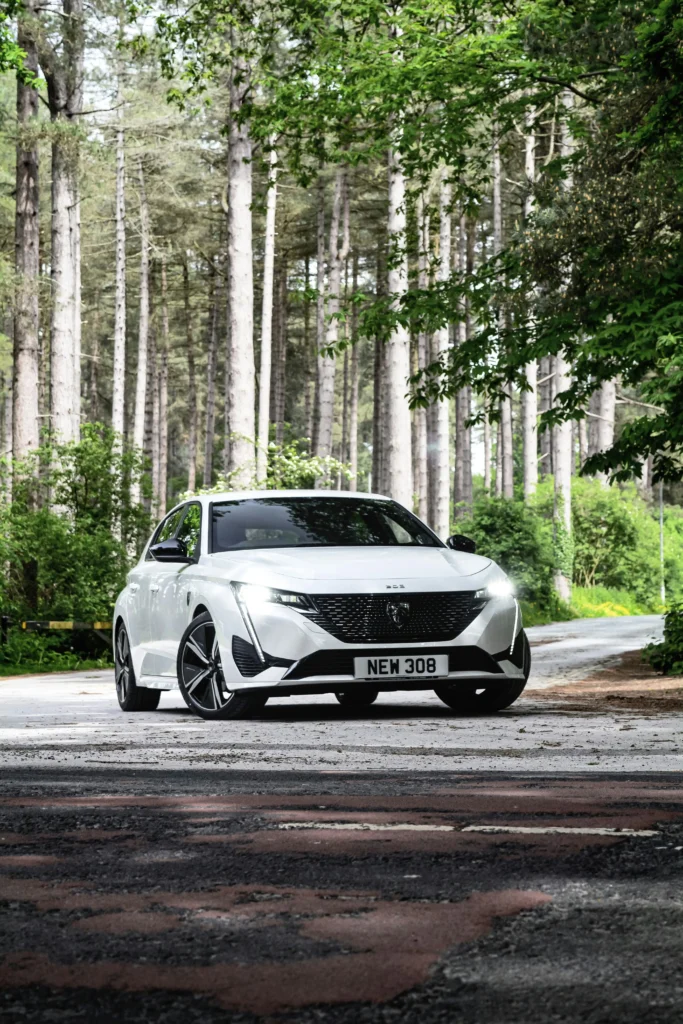
Average Yearly Cost at a Glance
The simplest way to plan is a yearly budget that blends routine services and regular maintenance with a reserve for surprise fixes.
- Typical annual maintenance: $500 to $1,000 for routine upkeep on many vehicles
- Reserve for unexpected repairs: at least $500 per year
- Total yearly budget: $500 to $2,000+ depending on vehicle type, age and driving conditions
Extra context for Australia:
- Some sources estimate about $1,500 on average per year for maintenance, with new cars closer to $500 and older vehicles $2,000+.
- Australian household figures show ~$1,872 to $1,907 per year on servicing and tyres, or ~$36.67 per week on average.
- Costs vary by location. For example, Canberra households average about $2,471 per year for servicing and tyres, the highest in the nation.
If your car is older, is a large SUV, or uses premium parts and fluids, plan toward the top of the range to cover potential car repairs. Vehicle age and condition impact maintenance costs, with older cars typically requiring more extensive repairs. Aggressive driving and frequent city trips increase wear, which pulls services and component replacements forward.
What Drives Your Service Price
Several factors explain why two similar cars receive different quotes for the same service.
- Car Type and Brand
Compact cars often cost less to maintain due to smaller engines and widely available parts. Luxury or performance vehicles usually cost more because of premium fluids, specialised filters and larger brakes. - Age and Condition
Older cars typically need more frequent repairs and parts. Sticking to the manufacturer schedule prevents small problems from becoming major, expensive issues. - Service Type and Timing
A basic service is cheaper than a logbook service, which in turn is cheaper than a major service. Intervals may be time based, distance based or both. - Workshop and Diagnostics
Authorised dealerships often charge more than independent workshops. Modern vehicles require scan tools for resets and calibrations, which adds to labour time on some models.
Car Service Cost Breakdown
Minor Service Cost
What It Includes
Engine oil and filter, basic top-ups, tyre pressures, safety checks and a road test.
Typical Range
$150 to $250 for most vehicles, depending on oil type, filter quality and labour rate. Standalone oil changes can range ~$35 to $125 depending on oil and vehicle design, though oil changes are commonly packaged inside a service.
Labour Time
About 0.7 to 1.0 hours in straightforward cases.
Parts Commonly Used
Specified oil, oil filter, sump washer and consumables.
Logbook Service Cost
What It Includes
All minor items plus manufacturer scheduled items for that interval, such as cabin and air filters, brake fluid, spark plugs at set mileages, and service indicator resets.
Typical Range
$250 to $600. A “standard” service often sits ~$250 to $400 depending on the interval and brand.
Labour Time
About 1.2 to 2.0 hours.
Parts Commonly Used
Cabin filter, air filter, specified fluids, occasional spark plugs and gaskets per the logbook.
Major Service Cost
What It Includes
Comprehensive inspection and multiple replacements at larger intervals, such as spark plugs, filters, brake fluid, transmission or differential fluids, coolant, drive belts and sometimes fuel filters. Some vehicles require dual-clutch or DSG fluid services.
Typical Range
$400 to $800+ depending on the make and model.
Labour Time
About 2.5 to 4.0+ hours depending on access and any resets or calibrations.

Unexpected Repairs to Budget For
Even a well-maintained car will occasionally need repairs outside routine servicing, making it wise to set aside an annual reserve or an emergency fund of at least $500. Set aside an annual reserve of at least $500.
- Battery Replacement: $200+ for quality units, more for stop-start or AGM
- Timing Belt Replacement: $550 to $1,300+ depending on engine layout and whether the water pump and tensioners are replaced together
- Brake Pad and Rotor Replacement: cost varies by vehicle size and brand
- Tyres: price driven by size and speed rating
Routine items like oil changes, tyre rotations and brake replacements are predictable. Routine services like oil changes, tire rotations, and brake replacements are predictable expenses, while unexpected repairs can vary significantly in cost. The reserve covers the variable events that pop up between services.
How Vehicle Type Changes the Numbers
- Small Hatches
Smaller oil capacities and modest brake sizes keep parts and labour lower. Annual budgets sit near the low end unless mileage is high. - Midsize And Large SUVs
Larger engines, bigger brakes and higher tyre costs increase spend. Towing or frequent city driving can shorten intervals. - Luxury And European Models
Premium fluids, specialised parts and more complex access increase labour. Brand-specific diagnostics can add setup time. When serviced on schedule, these vehicles reward owners with strong performance and long life.
Age And Mileage Checkpoints
Service schedules vary, but typical checkpoints include:
- Around 30,000 Km
Cabin and air filters, brake fluid checks, software resets and condition logging. - Around 60,000 Km
Spark plugs on many models, coolant checks or changes if specified, braking system inspection, some transmissions due for fluid service. - Around 100,000 Km and Beyond
Timing belts where fitted, water pumps on belt drives, accessory belts and tensioners, mounts, suspension bushings and bearings where wear is detected. Chains often last much longer with on-time oil changes, though inspection is still important.
Following the manufacturer schedule avoids escalation from minor to major repairs.
Build A Realistic Annual Budget
Use a simple formula to turn uncertainty into a plan.
- Routine Services for the Year
Add the scheduled services you will hit. For most drivers that is one minor or logbook service per year. - Reserve For Unexpected Repairs
Add $500+ to cover common surprises. Some owners prefer a monthly approach: set aside $50 to $100 per month. Guidance varies by age:- 1 to 3 years old: save ~$40 to $65 per month
- 4 to 6 years old: save ~$65 to $100 per month
- 7+ years old: save ~$85 to $170 per month
Many experts suggest saving $40-$65 per month for repairs for cars 1-3 years old. Another rule is 1 to 2 percent of the vehicle value per year for maintenance and repairs.
- Tyres And Brakes Amortised
Spread the cost of a tyre set and brake work over their expected life. Add a 20 percent buffer to your yearly estimate to avoid surprises.
Example Scenarios
- Small Hatch
Routine services $500 to $750, reserve $500, tyres and brakes amortised $200. Total $1,200 to $1,450. - Midsize SUV
Routine services $650 to $900, reserve $600, tyres and brakes amortised $300. Total $1,550 to $1,800. - European Performance
Routine services $800 to $1,200, reserve $700, tyres and brakes amortised $400 to $600. Total $1,900 to $2,500+.
Set up a separate savings account as a dedicated repair fund and automate monthly contributions. This removes stress when repairs fall due.
Ways To Reduce Cost Without Cutting Corners
- Service On Time
Regular servicing extends vehicle life and performance while preventing expensive faults. - Use Genuine Or OEM-Equivalent Parts
Quality parts protect performance and reduce repeat labour. Warranties can help offset unexpected costs. - Combine Jobs That Share Labour
If a timing belt drives the water pump, replace both together to save future labour. - Shop Around and Use Transparent Quotes
Compare itemised quotes. Independent mechanics can be cheaper than dealer service in many cases. - Maintain Tyres and Alignment
Correct pressure and periodic alignments extend tyre life. Rotate tyres as recommended. - Use Tools to Reduce Running Costs
Smartphone apps help find the cheapest fuel. Look for valid discounts or coupons when available. Simple DIY tasks such as topping fluids or replacing wiper inserts can reduce labour costs. - Build an Emergency Buffer
Building an emergency buffer of 20% on your estimated yearly repair costs is recommended to handle unexpected expenses.
Regular inspections catch issues early, so they do not escalate. This proactive approach can save significant costs by addressing minor problems before they develop into major repairs.
When To See a Specialist
Some tasks benefit from marque experience and equipment, such as dual-clutch transmission services, advanced diagnostics, ADAS calibration and complex timing belt jobs. A good specialist supplies itemised quotes, evidence of work and correct service light resets to maintain complete records.
Ownership Costs Versus Maintenance
Maintenance is one part of total ownership, directly impacting the cost of owning a car. Separate your maintenance budget from broader ownership costs so decisions stay clear.
Typical Australian household numbers include:
- Fuel: about $4,664 per year
- Insurance: about $2,580 per year on average across capitals, which equates to $49.53 per week
- Registration, CTP And Licensing: about $1,773 per year for a two-car family in capital cities
- Weekly Total Ownership: around $461.52 per week when all major categories are combined
- Operating Costs: in Queensland, private vehicles can range ~$12,028.91 to $25,772.67 per year depending on category
- Road Tolls: can add significantly in some cities
- Depreciation: a major component from the moment of purchase
For occasional use, renting a car can be more cost-effective than ownership.
This guide focuses on maintenance and repairs. Keep the categories distinct when you plan your year.
Typical Service Costs by Tier
| Service Type | What Is Included | Parts Typically Replaced | Labour Time | Typical Cost Range |
| Minor Service | Oil and filter, fluids, safety checks, tyre pressures, road test | Engine oil, oil filter, sump washer | 0.7 to 1.0 hours | $150 to $250 |
| Logbook Service | Minor items plus schedule tasks for the interval | Cabin filter, air filter, brake fluid, coolant tests, plugs as specified | 1.2 to 2.0 hours | $250 to $600 |
| Major Service | Broad inspection and multiple replacements at larger intervals | Filters, spark plugs, brake fluid, transmission and diff fluids, coolant, belts as required | 2.5 to 4.0+ hours | $400 to $800+ |
Annual Budget Examples
| Vehicle Profile | Routine Maintenance Total | Reserve For Unexpected Repairs | Tyres And Brakes Amortised | Estimated Annual Total |
| Small Hatch | $500 to $750 | $500 | $200 | $1,200 to $1,450 |
| Midsize SUV | $650 to $900 | $600 | $300 | $1,550 to $1,800 |
| European Performance | $800 to $1,200 | $700 | $400 to $600 | $1,900 to $2,500+ |

FAQs
How Much Should I Budget Each Year for Car Maintenance?
Most drivers should plan $500 to $2,000+ per year. Household snapshots for Australia show ~$1,872 to $1,907 per year on servicing and tyres. Older cars, large SUVs and luxury models usually need higher budgets.
What Is Included in Minor, Logbook and Major Services?
A minor service covers oil and filter, fluid top-ups, safety checks and a road test. A logbook service adds time or distance-based items such as cabin and air filters, brake fluid or spark plugs. A major service combines multiple replacements and deeper inspections at larger intervals.
Are European or Luxury Vehicles More Expensive to Maintain and Why?
They often are due to premium fluids, specialised parts, complex access and brand-specific diagnostics. When serviced on schedule with quality parts, they deliver excellent performance and longevity.
Which Repairs Add the Most to the Budget?
Common higher-impact items include brakes and rotors, tyres, batteries for stop-start systems and timing belt services where fitted. Oil changes, tyre rotations and brake replacements are predictable maintenance items, while unexpected repairs vary by model and condition.
Do I Need Logbook Servicing to Keep My Warranty Valid?
Follow the manufacturer schedule and standards to keep records complete. Keep invoices and ensure the workshop documents the service correctly. Capped price servicing may apply on some newer vehicles, giving clear upfront costs.
How Should I Save For Repairs Across the Year?
Set aside $50 to $100 per month, or 1 to 2 percent of vehicle value per year. Adjust by age: $40 to $65 per month for cars 1 to 3 years old, $65 to $100 for 4 to 6 years, and $85 to $170 for 7+ years. Consider adding a 20 percent buffer to your annual estimate and keep funds in a separate repair account with automatic contributions. Regular servicing prevents small issues from becoming major costs.
Conclusion
Car maintenance costs become predictable once you separate routine services from a sensible reserve for unexpected repairs, allowing for a clearer understanding of the average annual cost. Most drivers can plan on $500 to $2,000+ per year, with the mix set by vehicle type, age, location and driving habits. Follow your manufacturer schedule, service on time, and use the tables above to map your next twelve months.
Ready to plan with clear inclusions and itemised pricing that fits your car and your budget? Book A Service today and build a maintenance plan that keeps your vehicle running at its best.
SERVICE QUOTE
24 Radius Loop, Bayswater WA 6053
Monday – Thursday: 7:30am – 5pm
Friday: 7:30am – 4pm
Our Services
AdBlue System Servicing & Repairs
- AdBlue Fault Diagnosis
- AdBlue Warning & Countdown Reset
- Metering Valve & Injector Replacement
- AdBlue Pump & Tank Repairs
- NOx & Level Sensor Replacement
- SCR Catalyst Crystallisation Cleaning
- Mercedes, BMW, Audi, VW & More
Brake Servicing
- Brake Inspection & Diagnosis
- Disc Brake Service
- Drum Brake Service
- Master Cylinder
- ABS Diagnosis
- Brake Fluid Flush
Car Electrical Services
- All lighting and modifications
- Control module diagnosis
- Alternators, Batteries
- Starters
- Air Bag System Diagnosis and repair
- Accessories and upgrades
- Windshield Wipers & Washers
Collision Advice
- Insurance Claims
- Vehicle Restoration
- Body Kits
- Glass Replacement
- Custom Graphics
- Interior & Exterior Trim
- All Makes and Models
Comfort System
- Air Conditioning Service
- System Diagnosis
- Heater Core
- A/C Compressors
- Blower Motors
- Climate Control System
Cooling System
- Leak Diagnosis
- Overheating Diagnosis
- Water Pumps
- Radiators
- Cooling Fans
- Coolant Hoses
- Thermostats
Engine Performance
- High Performance Upgrades
- Drivability Diagnosis
- Fuel Injection Service
- Computer System Diagnosis
- Maintenance Tune-Up
- Emission Diagnosis & Repair
- “Check Engine” Light Diagnosis
Engine Servicing
- Oil Leak Diagnosis
- Timing Belts
- Performance manifolds and accessories
- Head Gaskets
- Engine Replacement
- Engine Service
- Exhaust System Replacement & Repair
- Performance Upgrades
Maintenance Services
- Factory protected log book servicing
- Full 100 safety point inspections
- Transmission Service
- Cooling System Flush
- Tyre Rotation & Balance
Pop and Crackle Tunes (Burble Tunes)
- Stage 1 Tuning
- Stage 2 Tuning
- Stage 3 Tuning
- Fuel Efficiency Tuning
- Engine Remapping