
A reliable car starts with regular checks you can do at home and timely services based on your Owner’s Manual. This guide gives car owners a clear, practical car service checklist for Australian conditions, an essential tool for automotive maintenance. Using a car maintenance checklist is crucial for car owners to keep track of routine maintenance tasks, maintain vehicle value, and prevent costly repairs, ensuring your vehicle stays safe and reliable on the road.
Why Regular Servicing Matters
Routine car maintenance improves reliability, safety, and fuel efficiency while reducing the risk of costly breakdowns. Vehicle maintenance is especially important in harsh conditions like the heat, coastal air, and dust in Western Australia, which accelerate wear on cooling systems, tyres, and filters, so small checks done often make a big difference to your vehicle’s lifespan. Regular maintenance and maintaining a detailed service history can also increase resale value.
Regular car servicing is essential for maintaining vehicle performance and extends the vehicle’s lifespan by ensuring all components are checked and replaced as needed.
Read Your Owner’s Manual First
Your Owner’s Manual sets the maintenance schedule for time or kilometres, lists approved fluids, and explains service indicators. Always follow the vehicle manufacturer’s recommendations as outlined in the Owner’s Manual to ensure proper care and optimal performance. Use it to confirm how many kilometres or months between Minor Service and Major Service items, the correct fluid types, and to record your car’s service history so future repairs and resale stay straightforward.
Do Not Skip Your Scheduled Service
Most cars follow a schedule that alternates Minor Service and Major Service, with Logbook Service documenting work to preserve warranty. It is important to have your car serviced at the recommended intervals to maintain safety and reliability. Many cars use 6 to 12 month intervals, or about 10,000 to 15,000 km depending on the model and oil type. The distinction between a minor or major service is significant: Minor Service covers core safety and fluids, while Major Service adds items like spark plugs, filters, and deeper inspections. Follow your vehicle manufacturer’s recommendations even if the car seems to be running smoothly, as servicing your car regularly is necessary to prevent issues and costly repairs.

Minor Vs Major Service At A Glance
A major car service is a comprehensive procedure that is part of the range of car services available to maintain your vehicle. The table below compares minor and major car services, highlighting the differences in scope and the importance of each. A full car service, typically performed annually or after 12,000 miles, covers a wide range of checks and repairs to ensure your vehicle’s reliability and longevity.
| Item | Minor Service | Major Service |
| Engine Oil and Oil Filter | Replace | Replace |
| Air Filter | Inspect | Replace |
| Cabin Filter | Inspect | Replace |
| Spark Plugs | Inspect | Replacing spark plugs at interval (key part of a major car service) |
| Brake Fluid | Check Level | Flush Every Two Years |
| Coolant | Check Level | Replace If Due |
| Timing Belt | Visual Check (If Visible) | Replace Per Manufacturer Km/Time |
| Transmission Fluid | Visual Check for Leaks | Replace If Due |
| Tyres And Alignment | Check Pressures and Tread | Check Pressures, Tread and Rotate |
| Battery And Charging | Test And Inspect Terminals | Load Test and Charging System Check |
| Full Safety Check | Conduct | Conduct With Additional Checks |
Use your Owner’s Manual to confirm exact kilometre or time triggers and any additional repairs required for your model.
Basic Car Safety Checklist
Seatbelts, Handbrake and Horn Working Properly
Confirm seatbelt tension and buckle operation, ensure the handbrake can hold on a slope and test the horn.
Lights Check
Check headlights, indicators, brake lights, reverse lights and park or fog lights. Replace failed bulbs promptly so other road users can see you and your signals.
Tyres
Check tyre pressures when cold for all four tyres and the spare as part of your routine maintenance. Confirm tread depth with a gauge, look for cuts or bulges, and inspect overall tire condition to ensure your tyres are safe and roadworthy. Be sure to check for bald tyres, as they significantly increase the risk of accidents and may not meet legal requirements. If you find any flat tyres, replace or repair them before driving. Book a wheel alignment if you see uneven wear. Correct inflation improves safety, tyre life and fuel efficiency.
Fluids Checklist
Engine Oil and Oil Filter
Check the dipstick, top up if needed and replace oil and filter at the specified interval. Fresh oil protects key components and helps keep the engine cool. Old oil does the engine no good. Many cars need oil changes about every 10,000 to 15,000 km, depending on usage and oil type.
Coolant Levels and Radiator Hoses
Check coolant level and condition, then inspect radiator hoses for leaks or cracking. Coolant prevents overheating and corrosion. Never open a hot cooling system.
Brake Fluid and Power Steering Fluid
Check brake fluid against the reservoir marks and look for dark or contaminated fluid. Flush brake fluid every two years to maintain braking performance. Check power steering fluid level where applicable and top up with the correct specification.
Transmission Fluid and Clutch Fluid
Check transmission fluid level and colour for automatic and dual clutch units as specified. For manuals, confirm clutch fluid level. Both affect smooth shifting and long-term reliability.
Filters And Ignition
Engine Air Filter and Cabin Air Filter
Inspect the engine air filter for dust and debris and replace if clogged. A clean filter improves fuel efficiency and keeps dirty air out of the engine. Replace the cabin filter if airflow is weak or the interior smells musty.
Spark Plugs and High Mileage Checks
Replace spark plugs at the recommended interval, especially on high mileage vehicles. Worn plugs cause misfires, poor fuel economy and hard starts. Check ignition coils if misfires persist.
Battery And Electrical Checklist
Car Battery Health and Terminals
Look for corrosion on terminals, tighten clamps and test battery charge. Keep track of battery age to prevent unexpected failure. Many modern cars use AGM or EFB batteries that may require coding after replacement so the charging system works properly.
Alternator Symptoms and When to Ask for a Thorough Check
Dim lights at idle, battery warnings or whining noises can indicate alternator issues. If these appear, book a thorough check to avoid roadside failures and additional repairs.
Wipers, Glass and Visibility
Windscreen Wipers and Wiper Blades
Replace wiper blades when they streak or chatter. Clear vision in rain and road spray depends on fresh rubber and a clean windscreen.
Windscreens and Mirrors
Inspect for chips and cracks, then fix early to prevent spreading. Confirm mirrors are secure and correctly adjusted.
Dashboard Warning Lights and Unusual Noises
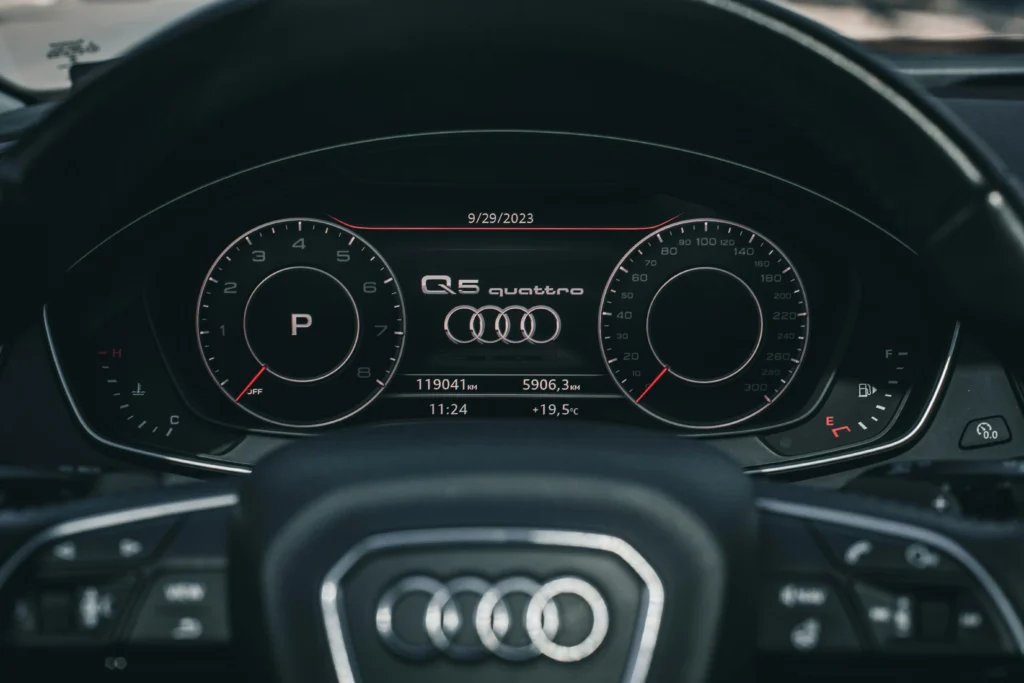
Do not ignore warning lights. They indicate potential issues that need attention. Listen for unusual engine noises such as ticking, hissing or clunking during checks, and act early to prevent bigger problems.
Exhaust and Underbody Checks
Inspect the exhaust system for leaks, rust or loose hangers during servicing. Address any fumes, rattles or visible damage promptly to maintain safety and performance.
Common Mistakes That Cause Damage
- Riding brakes down long hills heats pads and rotors. Use firm braking in short bursts, then release to cool.
- Pressure washing the engine can force water into sensors and connections. Use rags and a gentle cleaner instead.
- Skipping oil changes leads to sludge and accelerated wear. Stick to your schedule.
- Shifting from reverse to drive while rolling strains the transmission. Come to a full stop first.
- Starting the engine with every accessory on adds load. Switch off non-essential accessories before cranking.
- Driving while overheating risks head gasket or cylinder head damage. Stop immediately and seek help.
- Using non-genuine parts for repairs can compromise your vehicle’s quality and may void your warranty. Always choose genuine parts to ensure reliability and maintain warranty coverage.
Things You Can Do at Home
Replacing Wiper Blades
Lift the arm, release the tab and fit the correct blade size for your model. Clean the windscreen before testing. Replacing worn wipers enhances visibility and safety.
Replacing An Air Filter
Open the air box, remove the old element, wipe out dust and fit a matching filter with the seal seated correctly. Regular checks improve fuel efficiency.
Replacing Headlight Bulbs
Wear gloves, unplug the connector, remove the retainer and install a new bulb without touching the glass. Test both high and low beams.
Changing A Battery Safely
Wear eye protection, disconnect negative than positive, lift the battery carefully and dispose of the old unit at an authorised recycler. Fit the new battery, connect positive then negative and secure the hold down. Some vehicles require battery coding.
If a task feels beyond your tools or know-how, ask a local mechanic. Routine checks can catch small problems before they escalate.
How A Service Works: Before, During and After
- Pre Service Preparation: Confirm concerns, check service history and the required maintenance schedule, and note any warning lights.
- Service: Perform a comprehensive vehicle service, including safety, fluids and filter checks, replace due items, road test and document findings.
- Post Service Review: Explain results, advise on additional repairs, update the logbook or digital record to maintain a complete car’s service history, and reset reminders.
European Car Specifics
Oil Approvals and Correct Fluids
European engines often require specific approvals such as VW 504 00 or 507 00, BMW LL 04 or MB 229.52. Using the correct oil protects emission systems and extends service life. For coolant, confirm G12 plus plus or G13 families where specified by the vehicle manufacturer.
Transmission Services
Dual clutch units like DSG or S Tronic and automatic units such as ZF 8HP have set intervals for fluid and filter changes. Following the maintenance schedule keeps shifts smooth and prevents repair needs.
Brake Fluid and Battery Types
Replace brake fluid every twenty-four months to maintain performance. Many European models use AGM or EFB batteries and may need coding so charging strategy matches the new battery.
Digital Records and Diagnostics
Update the digital service history, reset service lights and run a scan with the correct diagnostic suite so the car’s systems register completed work and fault memory is clear.
Perth Driving Conditions to Account For
Heat, Dust and Coastal Air
High summer temperatures stress cooling systems, tyres and batteries. Dusty conditions clog air filters sooner and coastal parking can speed up corrosion on underbody and brake components. Increase inspection frequency before long trips and after beach or coastal use.
Tyre Pressures for Long Trips
Set pressures to the placard values when cold and check again with a reliable gauge. Carry a compact compressor and verify the spare tyre before leaving. Tyres that run too soft build heat and wear faster.

FAQs
How Often Should I Get a Minor Service Versus a Major Service?
Follow your vehicle manufacturer’s recommendations based on time or kilometres. Many cars use six- or twelve-month Minor Services, with Major Service items added every two to four years or by distance. Confirm the schedule in your Owner’s Manual.
What Fluids Should Be Checked Regularly?
Check engine oil, coolant, brake fluid, windscreen washer fluid and power steering fluid regularly. For manuals check clutch fluid and confirm transmission fluid levels or intervals as your manual specifies.
What Tyre Pressure Should Most Cars Run in Summer?
Set tyre pressures to the placard inside the driver’s door when tyres are cold, including the spare. Recheck before long drives and after temperature changes. Proper air pressure improves safety, tyre life and fuel efficiency.
When Should Spark Plugs Be Replaced?
Replace spark plugs at the interval in the Owner’s Manual or sooner if misfires occur. Modern plugs can last long intervals, but high mileage or city driving can shorten service life.
Do Modern Batteries Need Coding After Replacement?
Many late model vehicles require battery coding so the charging system recognises the new battery. If your car uses an AGM or EFB battery, ask for coding when the battery is replaced.
What Is the Difference Between Minor, Logbook and Major Services?
Minor covers routine checks and fluid changes, Logbook follows the manufacturer plan to keep warranty, and Major adds comprehensive replacements and inspections. Intervals vary by vehicle and usage.
Conclusion
A structured car service checklist keeps your car running smoothly, reduces the chance of roadside problems and helps you avoid expensive repairs. Start with your Owner’s Manual, work through safety, fluids, tyres, filters, battery, exhaust and records, then follow the maintenance schedule for Minor and Major Service items. If you prefer a professional to complete the checks, learn more about our European car service in Perth and speak with a specialist who understands manufacturer requirements and local conditions.
SERVICE QUOTE
24 Radius Loop, Bayswater WA 6053
Monday – Friday: 8am – 5pm
Saturday: 9am – 1pm
(Appointments Only)
Our Services
Brake Servicing
- Brake Inspection & Diagnosis
- Disc Brake Service
- Drum Brake Service
- Master Cylinder
- ABS Diagnosis
- Brake Fluid Flush
Car Electrical Services
- All lighting and modifications
- Control module diagnosis
- Alternators, Batteries
- Starters
- Air Bag System Diagnosis and repair
- Accessories and upgrades
- Windshield Wipers & Washers
Collision Advice
- Insurance Claims
- Vehicle Restoration
- Body Kits
- Glass Replacement
- Custom Graphics
- Interior & Exterior Trim
- All Makes and Models
Comfort System
- Air Conditioning Service
- System Diagnosis
- Heater Core
- A/C Compressors
- Blower Motors
- Climate Control System
Cooling System
- Leak Diagnosis
- Overheating Diagnosis
- Water Pumps
- Radiators
- Cooling Fans
- Coolant Hoses
- Thermostats
Engine Performance
- High Performance Upgrades
- Drivability Diagnosis
- Fuel Injection Service
- Computer System Diagnosis
- Maintenance Tune-Up
- Emission Diagnosis & Repair
- “Check Engine” Light Diagnosis
Engine Servicing
- Oil Leak Diagnosis
- Timing Belts
- Performance manifolds and accessories
- Head Gaskets
- Engine Replacement
- Engine Service
- Exhaust System Replacement & Repair
- Performance Upgrades
Maintenance Services
- Factory protected log book servicing
- Full 100 safety point inspections
- Transmission Service
- Cooling System Flush
- Tyre Rotation & Balance
Pop and Crackle Tunes (Burble Tunes)
- Stage 1 Tuning
- Stage 2 Tuning
- Stage 3 Tuning
- Fuel Efficiency Tuning
- Engine Remapping
Steering & Suspension Servicing
- Two & Four Wheel Alignments
- Struts & Shocks upgrades or replace
- Rack & Pinion diagnosis and repair
- High Performance Suspension
- Upgrades & Adjustments
- Tyre Replacement
- Transmission diagnosis & Repair
- Differential Replacement
- Complete Drive Train Repair